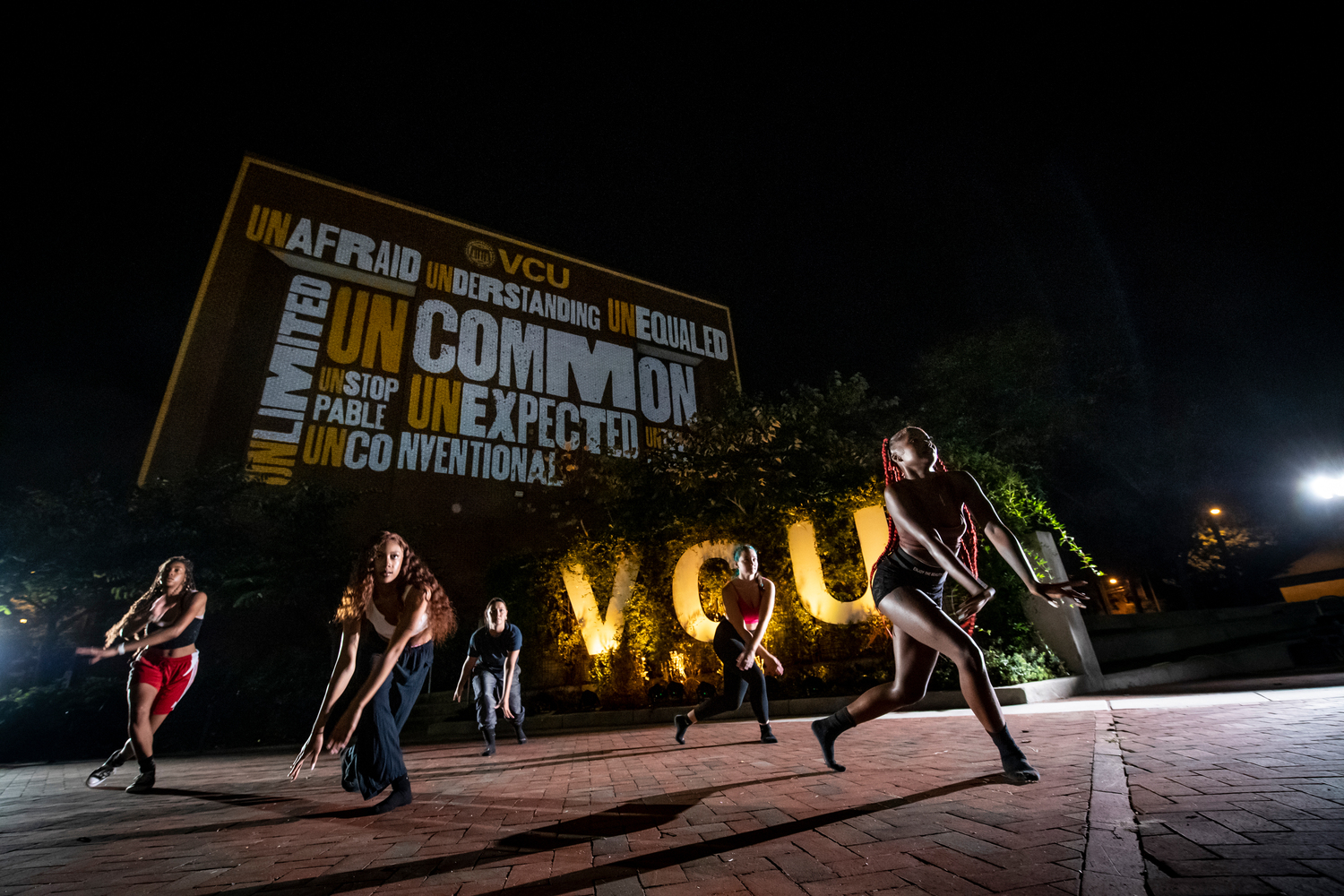
Ready to join a workforce UNLIKE any other?
Hourly Field Program Coordinator - School of Social Work
- 45002095
- 907 Floyd Avenue, VCU Main Campus, Virginia, United States, 23284
- Academic and Faculty Affairs
- General Administration
- Hourly/Wage
- School Of Social Work MBU
The Field Program Coordinator for Community Partnerships cultivates, strengthens, and sustains the agency relationships that anchor the field education experience. This role oversees the full lifecycle of partnership engagement—from initial inquiry through site development, onboarding, renewal, and long‑term collaboration—while ensuring partners receive timely assistance and collaboration at each stage of engagement.
Key Responsibilities
Placement Site Development and Renewals
-
Conduct outreach and respond to inquiries from prospective and renewing community partners
-
Provide standardized partnership materials and guide agencies through initial information‑gathering requirements
-
Review agency submissions to assess alignment with program standards, CSWE competencies, and student learning needs
-
Schedule and facilitate agency meetings to evaluate suitability, clarify expectations, and discuss supervision models, safety requirements, and student learning opportunities
-
Educate agencies on placement processes, matching procedures, interview expectations, and student time commitments
-
Confirm agency readiness and initiate the Memorandum of Agreement (MOA) workflow by submitting required documentation
-
Maintain consistent communication with agency representatives and OFE leadership/colleagues to ensure transparency and timely progression through the partnership process
-
Facilitate and monitor the site development or renewal process in ELC and workflow trackers from start to finish
-
Lead the credential verification and ELC registration process for field instructors and task supervisors
-
Monitor expiring agreements and re‑engage agencies to initiate renewal
-
Complete required renewal documentation and forms
-
Reassess agency suitability during renewal cycles to ensure continued alignment with program standards, supervision capacity, and student learning needs
Prospective and Existing Partnership Programming
-
Plan and facilitate weekly information sessions for agencies exploring partnership, outlining expectations, mutual benefits, and the steps of the prospective partnership process
-
Collaborate with Field Program Coordinators for Student Placement to organize and facilitate agency interview sessions or interview fairs during peak matching seasons
Communication Plan Development
-
Create and execute a communication plan that equips prospective and existing partners with clear, timely information, standardized materials, and the guidance needed to move confidently through the site development or renewal process
-
Sustain partner engagement by delivering proactive updates and responsive support at each stage of the partnership lifecycle
Minimum Qualifications
Education
-
Bachelor’s degree in Social Work or a related human services field or an equivalent combination of education, experience, and training
Experience
-
Experience in community engagement, partnership development, program coordination, or related administrative roles
-
Strong understanding of social work values, professional standards, and the role of field education in social work curricula
-
Demonstrated ability to communicate clearly and professionally with diverse stakeholders, including agency partners, supervisors, and institutional leadership
-
Experience managing complex workflows, tracking progress across multiple systems, and maintaining accurate documentation
-
Ability to interpret and apply program policies, accreditation standards, and eligibility requirements
-
Strong organizational skills with the ability to manage multiple priorities and meet deadlines
-
Proficiency with databases, workflow systems, and digital communication tools
- Demonstrated ability to work in and foster an environment of respect, professionalism and civility with a population of faculty, staff, and students from all backgrounds and experiences, or a commitment to do so as a staff member at VCU.
Preferred Qualifications
-
Master’s degree in Social Work (MSW) or a related field
-
Experience working within a social work field education program or similar academic setting
-
Familiarity with CSWE Educational Policy and Accreditation Standards (EPAS) and field education requirements
-
Background in community partnership development, community outreach, or supervision in human services settings
-
Experience facilitating workshops, information sessions, or training for community partners
Hours per Week: Less than 29 hours/week
Hourly Rate: $27.40
Contact Information
Contact Name: Jazmyn Porter
Contact Email: porterj2@vcu.edu
Recommended for you
Program Manager, MSW Program- School of Social Work
VCU Main Campus VCU Main CampusAthletic Tutor
VCU Main Campus VCU Main CampusPart-Time Faculty Practice Nurse Practitioner, Mobile Health & Wellness Program
MCV Main Campus MCV Main CampusEEO
Virginia Commonwealth University is an equal opportunity employer.
VCU Notice of Nondiscrimination
Know Your Rights: Workplace Discrimination is Illegal
VCU's Pay Transparency Nondiscrimination Provision
Annual security and fire safety report
Virginia Commonwealth University (VCU) is committed to assisting all members of the community in providing for their own safety and security. As required by federal law (The Jeanne Clery Disclosure of Campus Security Policy and Campus Crime Statistics Act, 20 U.S.C.1092(f), known as the “Clery Act”), the university publishes an Annual Security and Fire Safety Report, which contains information regarding campus security, crime reporting policies, personal safety and crime prevention, and fire and crime statistics for our various campus locations. To request a paper copy of the current report, please contact the VCU Police Department by calling (804) 828-3851 or in person at 224 E. Broad St., Richmond, Virginia 23219.
E-verify Notice: After accepting employment, new hires are required to complete an I-9 form and present documentation of their identity and eligibility to work in the United States. Effective June 1, 2011, agencies in the Commonwealth of Virginia's Executive Branch will use the E-Verify system to confirm identity and work authorization.
If you have questions or need accommodations during the application and interview process, please contact VCU Human Resources at (804) 828-0177 (Voice), (800) 828-1120 (TDD) or askhr@vcu.edu. The HR Welcome Center on the corner of Belvidere Street and W. Franklin Street is open Monday through Friday 8:30 a.m. to 4:30 p.m.