About VCU
We are the university for Virginia. We know that the unique backgrounds and life experiences of the VCU community are what drive the university forward. Together, we’re forging a future that is built by us. Here, artists and engineers, doctors and designers come together to reimagine the human experience and tackle the problems of tomorrow.
VCU dates to 1838 with the formation of the Medical Department of Hampden-Sydney College, whose mission was to educate physicians in central Virginia and which was later renamed Medical College of Virginia. In 1968, Richmond Professional Institute merged with the Medical College of Virginia to become what is now known as Virginia Commonwealth University.
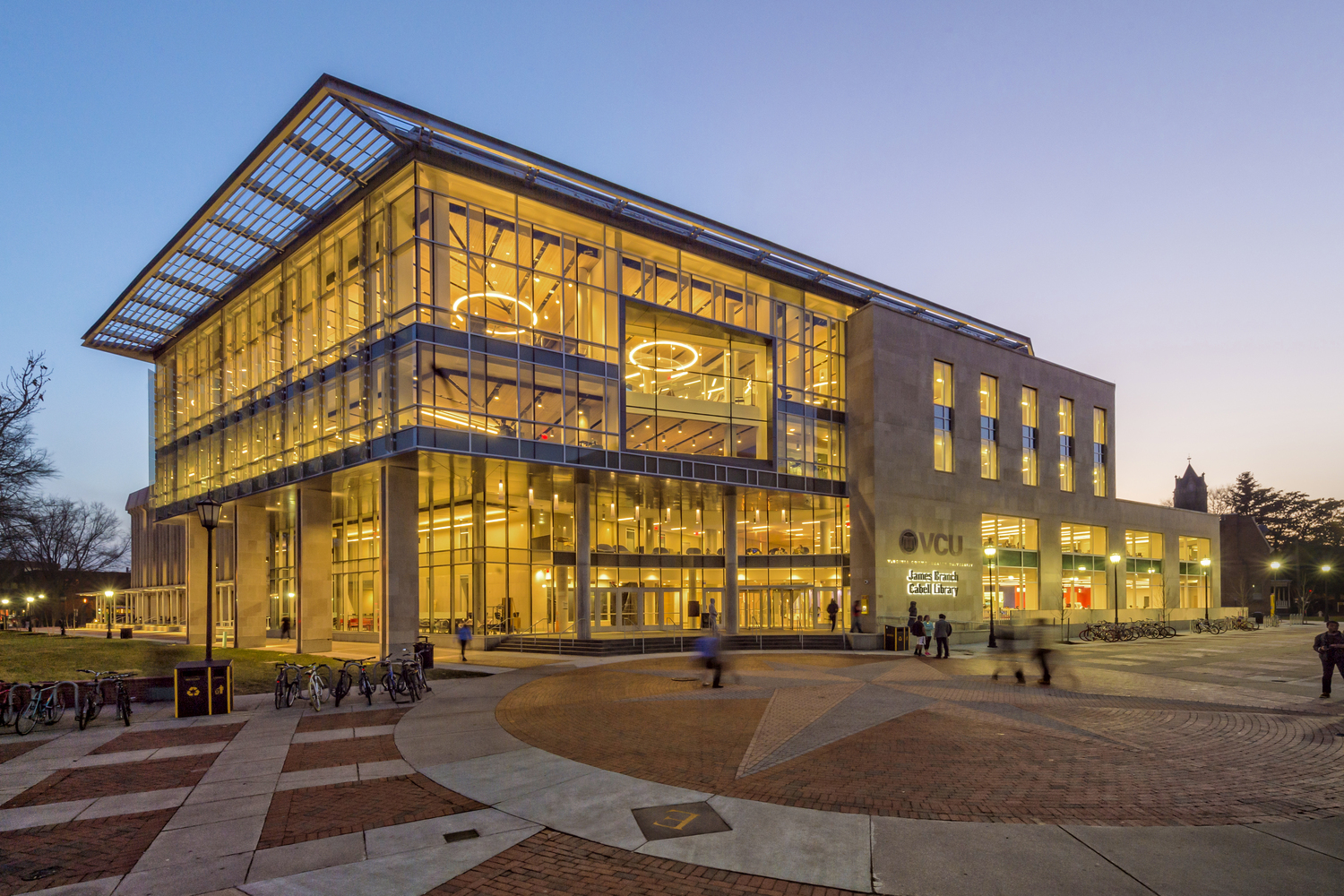
Located in downtown Richmond, the state capital of Virginia, VCU enrolls more than 28,000 students in more than 200 degree and certificate programs across its urban campuses: the downtown Monroe Park and MCV campuses in Richmond; the Rice Rivers Center in Charles City, Virginia; satellite locations in Fairfax, Virginia, and Abingdon, Virginia; and a campus in Doha, Qatar, for the School of the Arts.
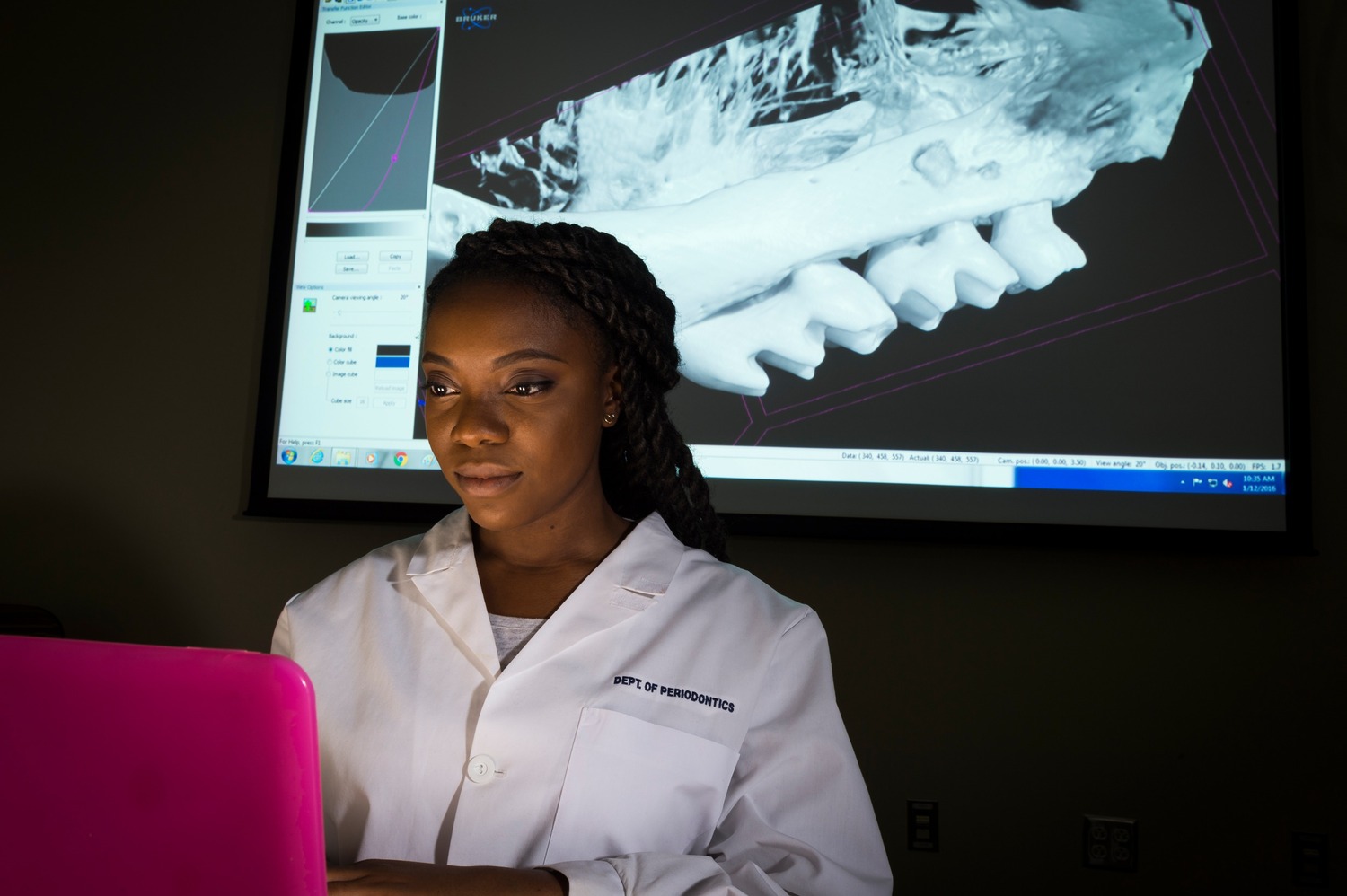
Ignited by the energy of the city, we’re ready to lead industries — or disrupt them. We seek out the unexpected, the experimental, the never-been-tried. VCU is designated as a research university with very high research activity by the Carnegie Foundation, garnering more than $500 million in sponsored research from federal and other agencies in FY2024. The National Science Foundation ranked VCU among the top 50 public research universities in the country, and we are one of only 69 public universities nationwide to be designated by the Carnegie Foundation as “Community Engaged” with “Very High Research Activity.”
This research enterprise, and the influence of having one of the nation’s top-ranked public graduate arts schools, ensures students receive unique educational experiences that equip them with a creative mindset that sets them apart.
VCU’s contributions in talent, innovation and entrepreneurialism, regional stewardship and local culture shape the economic impact and overall quality of life in the region. VCU as a whole generates more than $9 billion in economic activity. It is the largest employer in Richmond with more than 26,000 employees at VCU and VCU Health, and it supports approximately 58,000 jobs in Virginia. In addition, Virginia classifies VCU with a Tier III status — the highest possible status for universities and colleges — allowing VCU more flexibility in managing its operations to implement best practices and streamline processes.
VCU’s mission drives us to remain dedicated to the success and well-being of our students, patients, faculty, staff and community.
Welcome to VCU. A world unlike any other.