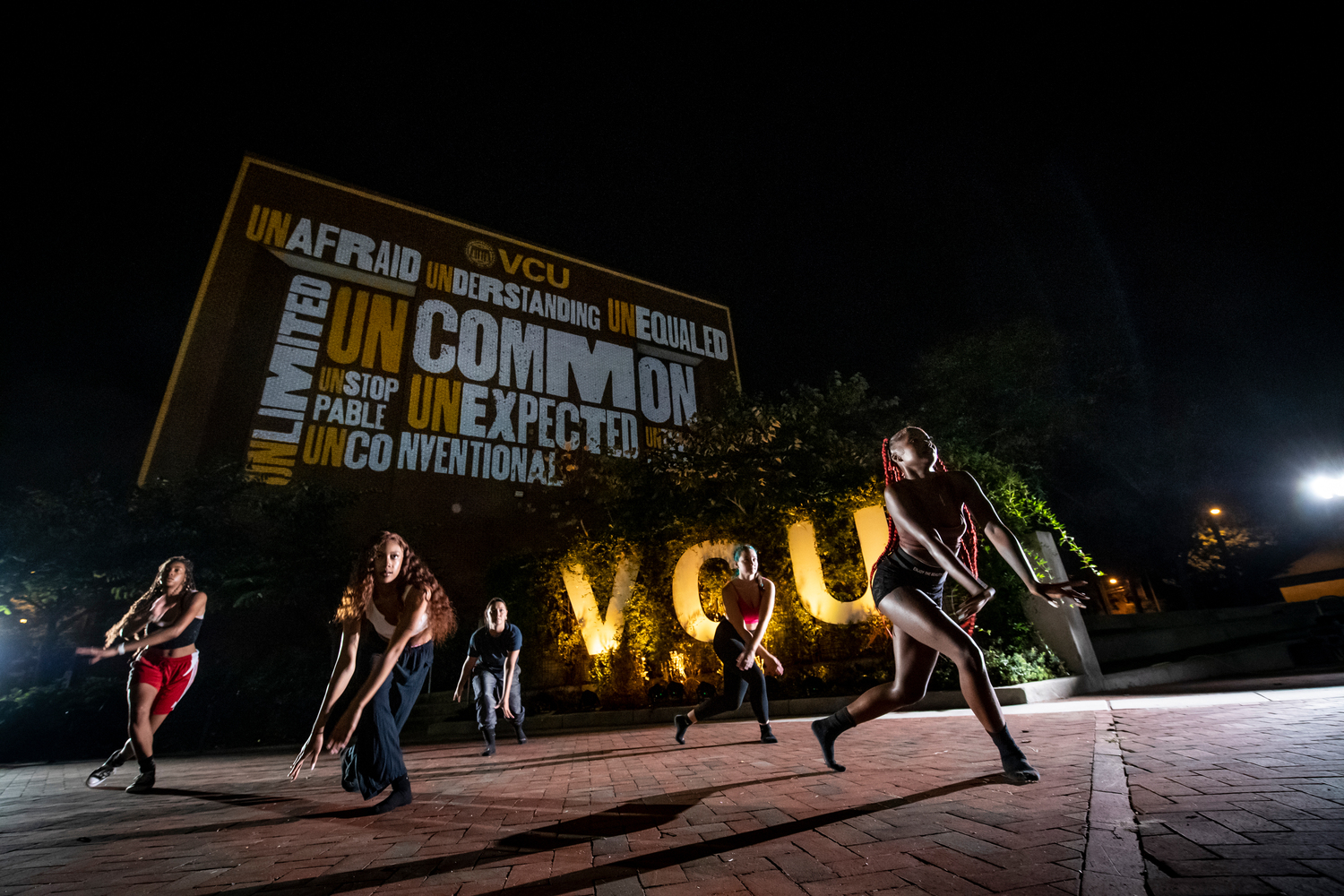
Ready to join a workforce UNLIKE any other?
Assistant Professor-Cellular, Molecular and Genetic Medicine (CMGM)-SOM
- 45002194
- 907 Floyd Avenue, MCV Main Campus, Virginia, United States, 23284
- Faculty
- Teaching & Research Faculty
- School Of Medicine MBU
The Department of Cellular, Genetic, and Molecular Medicine (CMGM) is seeking candidates for a tenure-track faculty position at the rank of Assistant Professor in computational structural biology. The ideal candidate will conduct research using molecular simulations to investigate biomolecular systems, leveraging advanced computational approaches.
Unit: School of Medicine
Department: Cellular and Genetic Medicine
Department Summary: The Department of Cellular, Molecular and Genetic Medicine (CMGM) in the Virginia Commonwealth University School of Medicine (VCU SOM) is dedicated to unraveling the fundamental biology that supports health and drives disease. Our faculty, trainees and students tackle some of the most pressing challenges in biomedical science, from the molecular and genetic roots of disease to the complexities of whole-body physiology.
Our foundational studies are driving the frontiers of scientific discovery, pushing the boundaries of what we understand about biology, disease and the human body. From our labs in downtown Richmond to research collaborations around the world, our work is generating new knowledge, influencing the direction of biological science and redefining what is possible in biomedical research.
We are proud to be a community of passionate educators and mentors, deeply committed to empowering the next generation of scientists and leaders. With alumni enjoying successful careers across a broad spectrum of industries, our rigorous training programs offer students a transformative education that drives innovation today and creates lasting impact for tomorrow.
Duties & Responsibilities:
Research
This position focuses on large-scale molecular dynamics (MD) simulations and AI-integrated multiscale modeling of complex biosystems including membrane protein-lipid interactions, and protein-protein interactions. The successful candidate will also contribute to efforts that bridge molecular, cellular, and systems-level modeling, with growing relevance to emerging paradigms such as whole-cell modeling and networked biological systems. We seek to enhance the department's research portfolio and competitiveness in securing new external grants. Therefore, the candidates' research programs will complement existing departmental and interdepartmental strengths.
Mentoring and teaching
The candidate will act as a mentor to trainees, offering experience to support teaching biochemistry and biophysics courses at both graduate and medical school levels. Furthermore, guidance from new faculty members is anticipated to assist trainees in obtaining prestigious fellowships and developing successful careers. Overall, these initiatives will bolster the department's reputation as a top academic program in Cellular, Molecular, and Genetics.
Service
The Virginia Commonwealth University School of Medicine, located in Richmond, the capital of Virginia, is a vibrant and distinguished community of healers, researchers, and innovators committed to advancing health and scientific discovery. We seek exceptional individuals who are dedicated scholars, accomplished scientists, and emerging leaders to join us in advancing this mission.
Qualifications:
Minimum Qualifications
- Ph.D. or M.D./Ph.D. in a quantitative with a distinguished record of research in structural biology
- Demonstrated expertise in large-scale multi-omics data integration, with a specific preference for leadership in emerging fields such as single-cell biology, spatial transcriptomics, or digital twin modeling
- Experience driving translational impact, including navigating technology transfer, managing intellectual property (IP), founding startups, or fostering strategic partnerships with the biotechnology and pharmaceutical industries
- Demonstration of successful collaborative academic leadership
- Politically astute and able to work well with people at all levels - university, community, faculty, and staff
- Unimpeachable integrity and personal ethics
- Demonstrated ability to work in and foster an environment of respect, professionalism, and civility with a population of faculty, staff, and students from all backgrounds and experiences, or a commitment to do so as a faculty member at VCU
Preferred Qualifications
- Ability to contribute in a highly matrixed academic environment
- Outgoing and personable demeanor and a track record of forging win-win relationships
- Outstanding communication skills, both oral and written
Salary Range: Commensurate
Benefits: All full-time university staff are eligible for VCU's robust benefits package, that includes comprehensive health benefits, paid annual and holiday leave, generous tuition benefits, retirement planning and savings options, tax-deferred annuity and cash match programs, employee discounts, well-being resources, abundant opportunities for career development and advancement, and more.
FLSA Exemption Status: Exempt
Restricted Position: No
ORP Eligible: Yes
Flexible Work Arrangement: Other
Rank: Assistant Professor
Tenure: Open
Months: 12 months
Contact Information
Contact Email: SOMHR@vcuhealth.org
Recommended for you
Assistant Professor of Accounting
VCU Main Campus VCU Main CampusAssistant Director, Transfer Center Operations
VCU Main Campus VCU Main CampusResearch Administrator - Post-Award - Internal Medicine, Cardiology
MCV Main Campus MCV Main CampusEEO
Virginia Commonwealth University is an equal opportunity employer.
VCU Notice of Nondiscrimination
Know Your Rights: Workplace Discrimination is Illegal
VCU's Pay Transparency Nondiscrimination Provision
Annual security and fire safety report
Virginia Commonwealth University (VCU) is committed to assisting all members of the community in providing for their own safety and security. As required by federal law (The Jeanne Clery Disclosure of Campus Security Policy and Campus Crime Statistics Act, 20 U.S.C.1092(f), known as the “Clery Act”), the university publishes an Annual Security and Fire Safety Report, which contains information regarding campus security, crime reporting policies, personal safety and crime prevention, and fire and crime statistics for our various campus locations. To request a paper copy of the current report, please contact the VCU Police Department by calling (804) 828-3851 or in person at 224 E. Broad St., Richmond, Virginia 23219.
E-verify Notice: After accepting employment, new hires are required to complete an I-9 form and present documentation of their identity and eligibility to work in the United States. Effective June 1, 2011, agencies in the Commonwealth of Virginia's Executive Branch will use the E-Verify system to confirm identity and work authorization.
If you have questions or need accommodations during the application and interview process, please contact VCU Human Resources at (804) 828-0177 (Voice), (800) 828-1120 (TDD) or askhr@vcu.edu. The HR Welcome Center on the corner of Belvidere Street and W. Franklin Street is open Monday through Friday 8:30 a.m. to 4:30 p.m.