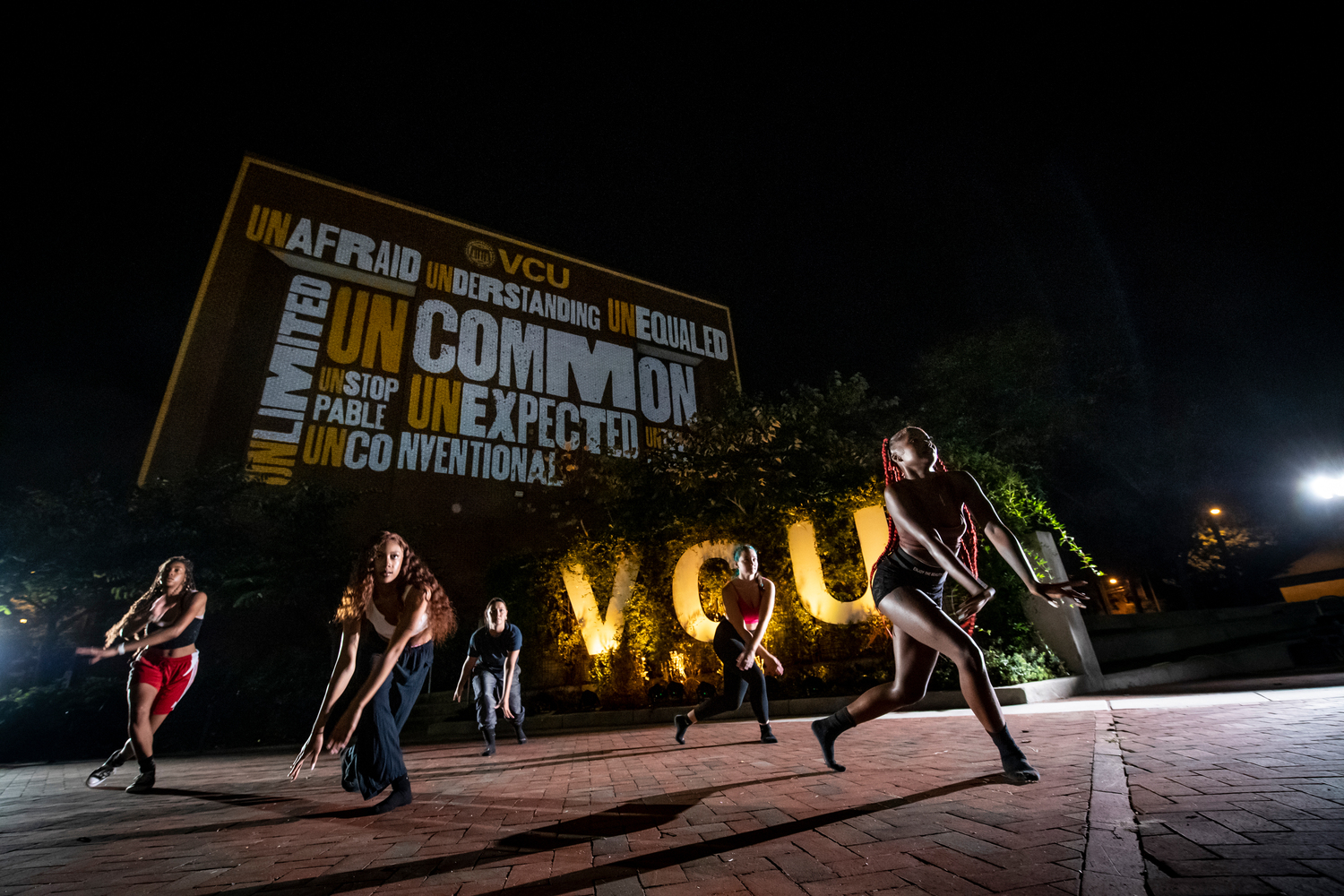
Ready to join a workforce UNLIKE any other?
Advanced Neurotrauma Rehabilitation Research Postdoctoral Fellow
- 45001123
- 907 Floyd Avenue, MCV Main Campus, Virginia, United States, 23284
- Research
- PostDoc
- School Of Medicine MBU
Unit: School Of Medicine MBU
Department: Physical Medicine and Rehabilitation
Background:
Obtaining academic research faculty positions and research grant awards is increasingly competitive, particularly in the rehabilitation where earmarked grant funding is limited. Post-doctoral fellows who receive training and develop expertise conducting secondary analyses of registry data, creating real world interventions, designing high quality clinical trials, and writing federal grant applications are more likely to obtain faculty positions and become independently-funded researchers. The VCU Advanced Neurotrauma Rehabilitation Research Training (ARRT) Center is a federally-funded research training program for health and function in people with disabilities. The Center for Rehabilitation Science and Engineering (CERSE) in VCU’s Department of PM&R leads VCU ARRT activities, and is uniquely positioned with a 25-year record of achievement preparing post-doctoral fellows for successful research careers.
CERSE is a VCU-wide research center that partners with VCUHealth, Virginia’s primary safety net health system of care, Sheltering Arms Institute (SAI), a 114-bed inpatient rehabilitation facility, and the Central Virginia Veterans Affairs Health Care System (CVHCS) that houses one of five V.A. Polytrauma Centers of Excellence and the V.A. system’s largest SCI rehabilitation program. These clinical partnerships provide ARRT fellows with access to a broad spectrum of clinician collaborators and research participants. CERSE/ARRT faculty have 60 grants/contracts with $111M in total awards, which funds a robust scientific mentoring network and research operations infrastructure to support high quality research fellow training. CERSE/ARRT research faculty lead the V.A.-funded, Long-term Impact of Military-relevant Brain Injury Consortium (LIMBIC, $33M/5 years). Richmond hosts the only U.S. Academic-Veterans-Civilian partnership to be awarded NIDILRR SCI and TBI Model System grants, as well as a V.A. TBI Model System grant. We have extensive, long-term collaborations with Commonwealth of Virginia Agencies and Community Organizations that provide fellows with access to participatory action research collaborators who have lived experience of disability.
Description of Opportunity:
The VCU ARRT is funded by the National Institute on Disability, Independent Living, and Rehabilitation Research (NIDILRR). The VCU ARRT provides a rich research training experience, including the opportunity to: (1) grow an independent line of research with a publication record of achievement; and (2) develop expertise in intervention development, participatory action research, clinical trial design, and grant writing. The VCU ARRT provides an evidence-informed, independent development plan (IDP)-driven, multiple-mentor training environment for fellows to build the skills and record of achievement needed to obtain a research faculty position. Two ARRT fellows will train concurrently, and have access to a cohort of postdoctoral research fellows and early career faculty across VCU and CVHCS. The VCU ARRT provides a supportive research mentoring environment including people with lived experience of disability, didactic and hands-on research training, a broad local and national mentorship network, large national research and health claims data registries for secondary data analyses, finance, regulatory and pre-award grant support, biostatistical training and resources, and leadership and communication skill-building.
Program Activities:
The ARRT postdoctoral fellow will conduct research to develop accessible, usable, and effective clinical interventions that improve outcomes important to people with disabilities. VCU ARRT fellows co-develop an individualized development plan (IDP) with their mentors—tailored to their skill level, training needs, and goals—that lays the foundation for developing an independent line of research. The training program includes: (1) didactic instruction and workshops that emphasize learning and application of scientific methods, large data analyses and clinical trial development that meet the evolving nature of rehabilitation research and care; (2) a mentoring network that includes a career development sponsor, and scientific, associate, and lived experience community mentors; and (3) leveraging PM&R/CERSE’s interdisciplinary rehabilitation research network, funded grants, and large data registries to provide fellows with opportunities to participate in collaborative research, publish manuscripts, conduct a pilot study, and present at local, regional and national conferences.
A key aspect of the program is community-based participatory action research (CBPR), which is expected to inform the fellow’s line of research. With mentor guidance, fellows will select among CERSE’s many community partners to begin collaborating on conducting research with constituent feedback and input. This ensures the fellow’s proposed interventions and research objectives will be highly responsive to the needs of people with disabilities.
Fellows may also pursue coursework relevant to their topic of choice and the skill-development needs identified in their individualized development plan developed with their mentors.
The primary fellowship goals are to develop a publication portfolio in the fellow’s line of research, work towards seeking a research faculty or similar position, and prepare preliminary materials for a research career development or other grant application that the fellow can use in their subsequent role.
VCU Postdoctoral Services offers an array of skills and career development activities/programs that can complement your activities and assist you your future career. VCU offers career services, grant writing assistance, a Postdoc grant academy, travel and research awards, and networking events.
Mentoring Team:
Each Fellow will select a team of mentors to serve the multidisciplinary research and training needs of their chosen line of research. The complete list of available mentors is on the CERSE website at https://pmr.vcu.edu/research/.
Application timeline and duration:
The ARRT Fellowship is a two-year fellowship. Applications are accepted on a rolling basis.
Eligibility:
Applicants must complete all MD or PhD graduation requirements including dissertation defense prior to their ARRT start date.
Qualifications:
Minimum Qualifications
Requires a Ph.D. in psychology, rehabilitation, social work, public health, nursing, or related field
Knowledge of treatments/interventions for people with acquired disabilities
Proficiency in developing, navigating and maintaining database files (e.g., REDCap, Excel, SPSS, etc.)
Evidence of excellent initiation, interpersonal and organizational skills
Evidence of excellent communication skills, both oral and written
Has a publication history
Interest and commitment to improving the lives of people with acquired disabilities and/or their families
Evidence of working well as part of a research project or team
Demonstrated ability to work in and foster an environment of respect, professionalism and civility with a population of faculty, staff, and students from various backgrounds and experiences, or a commitment to do so as a staff member at VCU
This is a restricted position with no set end date and continued employment is dependent upon availability of funding.
A successful candidate for the position is expected to reside in the Richmond, VA area in order to develop in-person experience in intervention development and clinical trials. Hybrid-remote and flexible work arrangements are available if they do not interfere with the candidate’s research and training.
Salary Range: Set according to NIH NRSA guidelines
As determined by the NIDILRR budget, fellows will be hired as a postdoctoral research fellow with an entry level postdoctoral fellow salary according to the 2025 National Research Service Awards (NRSA) stipend levels [https://grants.nih.gov/grants/guide/notice-files/NOT-OD-25-105.html.
Benefits: All VCU employee types are eligible for a wide array of benefits to support you during your employment at VCU. Consult the benefits website for information on benefits eligibility according to employee type.
Documents Needed to Apply:
• Curriculum Vitae (CV)
• Statement of interest with applicant’s career goals, research accomplishments, experiences in disability and rehabilitation practice/research, attributes and experiences that would provide value to training and research, and how participating in the VCU ARRT program would advance their career goals
FLSA Exemption Status: Exempt
ORP Eligible: Yes
Rank: Non Faculty
Contact Information:
Contact Name: Joshua Hahn
Contact Email: joshua.hahn@vcuhealth.org
Recommended for you
Fire Safety Technician
VCU Main Campus VCU Main CampusExperiential Programs Specialist
VCU Main Campus VCU Main CampusClinical Research Coordinator | School of Medicine, Neurology
MCV Main Campus MCV Main CampusEEO
Virginia Commonwealth University is an equal opportunity employer.
VCU Notice of Nondiscrimination
Know Your Rights: Workplace Discrimination is Illegal
VCU's Pay Transparency Nondiscrimination Provision
Annual security and fire safety report
Virginia Commonwealth University (VCU) is committed to assisting all members of the community in providing for their own safety and security. As required by federal law (The Jeanne Clery Disclosure of Campus Security Policy and Campus Crime Statistics Act, 20 U.S.C.1092(f), known as the “Clery Act”), the university publishes an Annual Security and Fire Safety Report, which contains information regarding campus security, crime reporting policies, personal safety and crime prevention, and fire and crime statistics for our various campus locations. To request a paper copy of the current report, please contact the VCU Police Department by calling (804) 828-3851 or in person at 224 E. Broad St., Richmond, Virginia 23219.
E-verify Notice: After accepting employment, new hires are required to complete an I-9 form and present documentation of their identity and eligibility to work in the United States. Effective June 1, 2011, agencies in the Commonwealth of Virginia's Executive Branch will use the E-Verify system to confirm identity and work authorization.
If you have questions or need accommodations during the application and interview process, please contact VCU Human Resources at (804) 828-0177 (Voice), (800) 828-1120 (TDD) or askhr@vcu.edu. The HR Welcome Center on the corner of Belvidere Street and W. Franklin Street is open Monday through Friday 8:30 a.m. to 4:30 p.m.