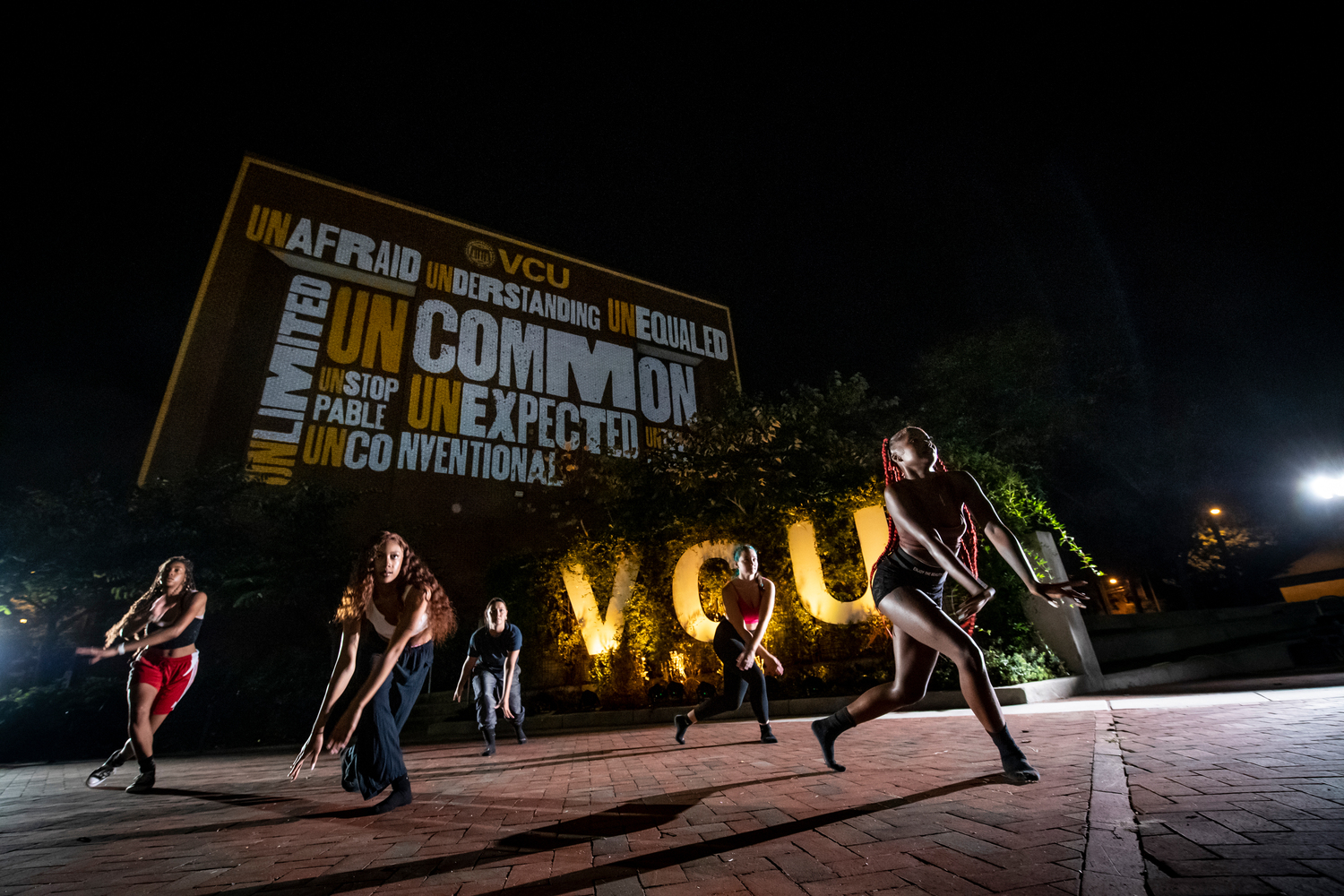
Ready to join a workforce UNLIKE any other?
Summer Research Assistant – Image Analysis & Digital Pathology
- 45002119
- 907 Floyd Avenue, MCV Main Campus, Virginia, United States, 23284
- Research
- Hourly/Wage
- School Of Medicine MBU
Advertising Summary:
Unit: School Of Medicine MBU
Department: Cellular and Genetic Medicine
Department Summary:
The Department of Cell, Molecular, and Genetics in Medicine (CMGM) at Virginia Commonwealth University is seeking a motivated undergraduate research assistant with a Computer Science background to support an active research program in computational and digital pathology. The student will work closely with faculty, postdoctoral researchers, and graduate students to develop and apply image analysis and machine learning pipelines on whole-slide pathology images, immunohistochemistry, and other biomedical imaging datasets. This is an excellent opportunity for a CS undergraduate to gain hands-on experience at the intersection of artificial intelligence and biomedical research and to contribute directly to ongoing peer-reviewed studies.
Duties & Responsibilities:
• Develop, train, and evaluate machine learning and deep learning models for biomedical image analysis tasks (classification, segmentation, object detection).
• Implement and adapt digital pathology pipelines for whole-slide image (WSI) processing, including tiling, stain normalization, and feature extraction.
• Curate, organize, and annotate image datasets in coordination with pathologists and other domain experts.
• Write clean, well-documented Python code using standard ML and computer vision libraries (PyTorch, TensorFlow, scikit-learn, OpenCV, OpenSlide, QuPath).
• Maintain reproducible experiments using version control (Git) and notebook-based workflows (Jupyter).
• Participate in lab meetings, present progress and findings, and assist in preparing figures and supplementary materials for manuscripts.
• Follow all data handling, privacy, and IRB guidance applicable to patient-derived imaging data.
Qualifications:
Minimum Qualifications
• Currently enrolled in (or recently completed) a Bachelor's degree program in Computer Science or a closely related discipline (Data Science, Computer Engineering, Applied Mathematics).
• Coursework or demonstrated project experience in programming (Python preferred), data structures, and at least one machine learning or computer vision course/project.
• Ability to commit consistent weekly hours throughout the semester.
• Demonstrated ability to work in and foster an environment of respect, professionalism and civility with a population of faculty, staff, and students from all backgrounds and experiences, or a commitment to do so as an hourly employee at VCU.
Preferred Qualifications
• Hands-on experience with deep learning frameworks (PyTorch or TensorFlow).
• Experienced in GPUs, HPC clusters, or cloud computing environments.
• Coursework or research experience in biology, bioinformatics, or biomedical engineering is a plus but not required.
• Strong academic standing (cumulative GPA 3.0 or higher).
Salary Range: 15.00 per hour
Benefits: All VCU employee types are eligible for a wide array of benefits to support you during your employment at VCU. Consult the benefits website for information on benefits eligibility according to employee type.
FLSA Exemption Status: Non-Exempt
Hours per Week:
Up to 25 hours per week; flexible schedule Monday–Friday between 8:00 AM and 6:00 PM, arranged around the student's course schedule.
Flexible Work Arrangement: Fully Onsite
Contact Information:
Contact Email: SOMHR@vcuhealth.org
Recommended for you
Full-time Postdoctoral Scientist
MCV Main Campus MCV Main CampusPart-Time Communications & Digital Content Assistant
VCU Main Campus VCU Main CampusPT International Admissions Assistant
VCU Main Campus VCU Main CampusEEO
Virginia Commonwealth University is an equal opportunity employer.
VCU Notice of Nondiscrimination
Know Your Rights: Workplace Discrimination is Illegal
VCU's Pay Transparency Nondiscrimination Provision
Annual security and fire safety report
Virginia Commonwealth University (VCU) is committed to assisting all members of the community in providing for their own safety and security. As required by federal law (The Jeanne Clery Disclosure of Campus Security Policy and Campus Crime Statistics Act, 20 U.S.C.1092(f), known as the “Clery Act”), the university publishes an Annual Security and Fire Safety Report, which contains information regarding campus security, crime reporting policies, personal safety and crime prevention, and fire and crime statistics for our various campus locations. To request a paper copy of the current report, please contact the VCU Police Department by calling (804) 828-3851 or in person at 224 E. Broad St., Richmond, Virginia 23219.
E-verify Notice: After accepting employment, new hires are required to complete an I-9 form and present documentation of their identity and eligibility to work in the United States. Effective June 1, 2011, agencies in the Commonwealth of Virginia's Executive Branch will use the E-Verify system to confirm identity and work authorization.
If you have questions or need accommodations during the application and interview process, please contact VCU Human Resources at (804) 828-0177 (Voice), (800) 828-1120 (TDD) or askhr@vcu.edu. The HR Welcome Center on the corner of Belvidere Street and W. Franklin Street is open Monday through Friday 8:30 a.m. to 4:30 p.m.