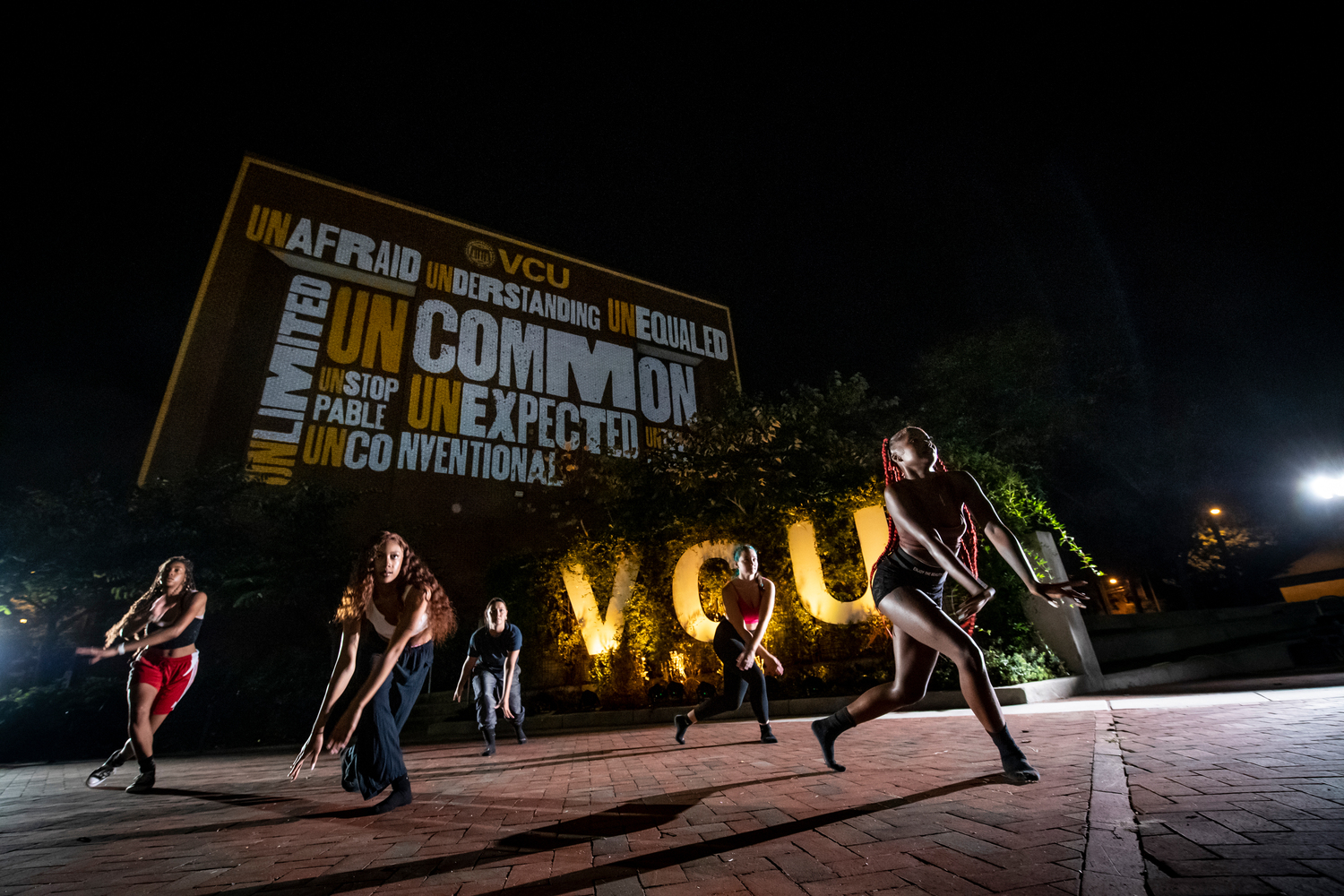
Ready to join a workforce UNLIKE any other?
Scholar-in-Residence in Art History - VCUarts Qatar
- 45001466
- Qatar
- Faculty
- Adjunct
- Qatar Campus MBU
The Department of Art History at VCUarts Qatar invites applications for a nine-month, Scholar-in-Residence position beginning in August 2026. The position carries a 1:1 teaching load, which may include a first-year global survey course as well as an upper-division course in the candidate’s area of specialization. Applicants’ expertise should complement the department’s existing strengths. In addition to teaching, the scholar will conduct original research and deliver a public lecture at VCUarts Qatar presenting their new, unpublished findings at the conclusion of the residency.
VCUarts Qatar’s Art History program offers a multicultural, globally oriented curriculum that examines visual and material cultures from antiquity to the present. While Islamic art remains a central focus, the program also encompasses traditions from Asia, Europe, Africa, and the Americas, reflecting Qatar’s long history as a crossroads of trade, migration, and intellectual exchange. Courses are taught in person in small undergraduate classroom settings, fostering close engagement and discussion.
The Scholar-in-Residence will contribute to this academic environment by teaching, presenting new research in a public forum, and helping cultivate partnerships with local institutions. As part of a small and dynamic department, the scholar will work closely with undergraduate students and participate in a supportive intellectual community. This is a residential appointment, requiring the scholar to be based in Doha for the full duration of the term.
The area of specialization is open, but applicants should bring expertise that complements the department’s historically and geographically diverse strengths, rather than duplicating them. Faculty research in the department ranges from Islamic visual cultures to the ancient Mediterranean, the Chinese and Sinophonic worlds, African artistic traditions, the Indian Ocean sphere, and modern and contemporary practices from SWANA and beyond. The department also plays a leading role in running the biennial Hamad bin Khalifa Symposium on Islamic Art, a major international research initiative, along with its Yale University Press publications. Together, these interdisciplinary strengths position VCUarts Qatar as a vibrant center for global art-historical inquiry grounded in local engagement.
Situated in Doha, the scholar will be based in a city with a rapidly expanding cultural landscape, home to major institutions such as the Museum of Islamic Art, Mathaf: Arab Museum of Modern Art, the National Museum of Qatar, and the Qatar National Library. A component of the residency is the cultivation of relationships with Doha-based universities, museums, and cultural organizations, laying the groundwork for collaborative projects that may extend beyond the residency year.
Required Qualifications:
- PhD in Art History or a closely related field, completed by the start of the appointment.
- At least two years of undergraduate-level teaching experience in art history beyond teaching assistantships.
- A demonstrated research agenda that engages meaningfully with visual and material cultures and complements the department’s existing strengths.
- A record of professional activity (such as publications, conference presentations, or curatorial work) appropriate for the applicant’s career stage.
- A commitment to undergraduate teaching in small, student-centered, discussion-driven classroom settings.
- Interest in developing relationships with local museums and cultural institutions and in contributing to projects that strengthen connections between VCUarts Qatar and the broader community.
- Deadline-oriented, with strong interpersonal and communication skills and a proven ability to contribute to collaborative, culturally diverse academic environments.
- Ability to navigate and negotiate cross-cultural differences in both professional and daily living contexts, and to thrive within an international academic setting.
- Demonstrated experience working in and fostering an environment of respect, professionalism and civility with a population of faculty, staff, and students from all backgrounds and experiences, or a commitment to do so as a faculty member at VCU.
Preferred Qualifications:
- Experience teaching or working in ESL (English as a Second Language) environments, with the ability to support students with diverse linguistic backgrounds.
Compensation and Benefits:
- Total compensation: $40,000 for the nine-month appointment (taxable for U.S. citizens).
- Relocation assistance may be available for the selected candidate in accordance with VCUarts Qatar policies.
- There are no retirement benefits associated with this position.
- The offer of employment is contingent upon the successful completion of background checks and immigration clearance for a work visa.
Application Instructions:
Applicants should submit the following materials via our online portal. Any queries should be directed to Dr. Radha Dalal, Director of Art History, at rjdalal@vcu.edu.
- Cover Letter: Including a research agenda, an explanation of how the candidate’s work complements the VCUarts Qatar Art History faculty’s expertise, a vision for the upper-level course they would teach, and a plan for engaging with local institutions in Doha
- Curriculum Vitae: Including a detailed teaching history
- Writing Sample: A representative scholarly work, such as an article, book chapter, or unpublished manuscript
- References: Names and contact information for three academic referees
Review of applications will begin on March 1, 2026 and continue until the position is filled.
Recommended for you
Contracts and Grants Administrator
MCV Main Campus MCV Main CampusRTR Residency Coach
MCV Main Campus MCV Main CampusCenter Kitchen Assistant
VCU Main Campus VCU Main CampusEEO
Virginia Commonwealth University is an equal opportunity employer.
VCU Notice of Nondiscrimination
Know Your Rights: Workplace Discrimination is Illegal
VCU's Pay Transparency Nondiscrimination Provision
Annual security and fire safety report
Virginia Commonwealth University (VCU) is committed to assisting all members of the community in providing for their own safety and security. As required by federal law (The Jeanne Clery Disclosure of Campus Security Policy and Campus Crime Statistics Act, 20 U.S.C.1092(f), known as the “Clery Act”), the university publishes an Annual Security and Fire Safety Report, which contains information regarding campus security, crime reporting policies, personal safety and crime prevention, and fire and crime statistics for our various campus locations. To request a paper copy of the current report, please contact the VCU Police Department by calling (804) 828-3851 or in person at 224 E. Broad St., Richmond, Virginia 23219.
E-verify Notice: After accepting employment, new hires are required to complete an I-9 form and present documentation of their identity and eligibility to work in the United States. Effective June 1, 2011, agencies in the Commonwealth of Virginia's Executive Branch will use the E-Verify system to confirm identity and work authorization.
If you have questions or need accommodations during the application and interview process, please contact VCU Human Resources at (804) 828-0177 (Voice), (800) 828-1120 (TDD) or askhr@vcu.edu. The HR Welcome Center on the corner of Belvidere Street and W. Franklin Street is open Monday through Friday 8:30 a.m. to 4:30 p.m.