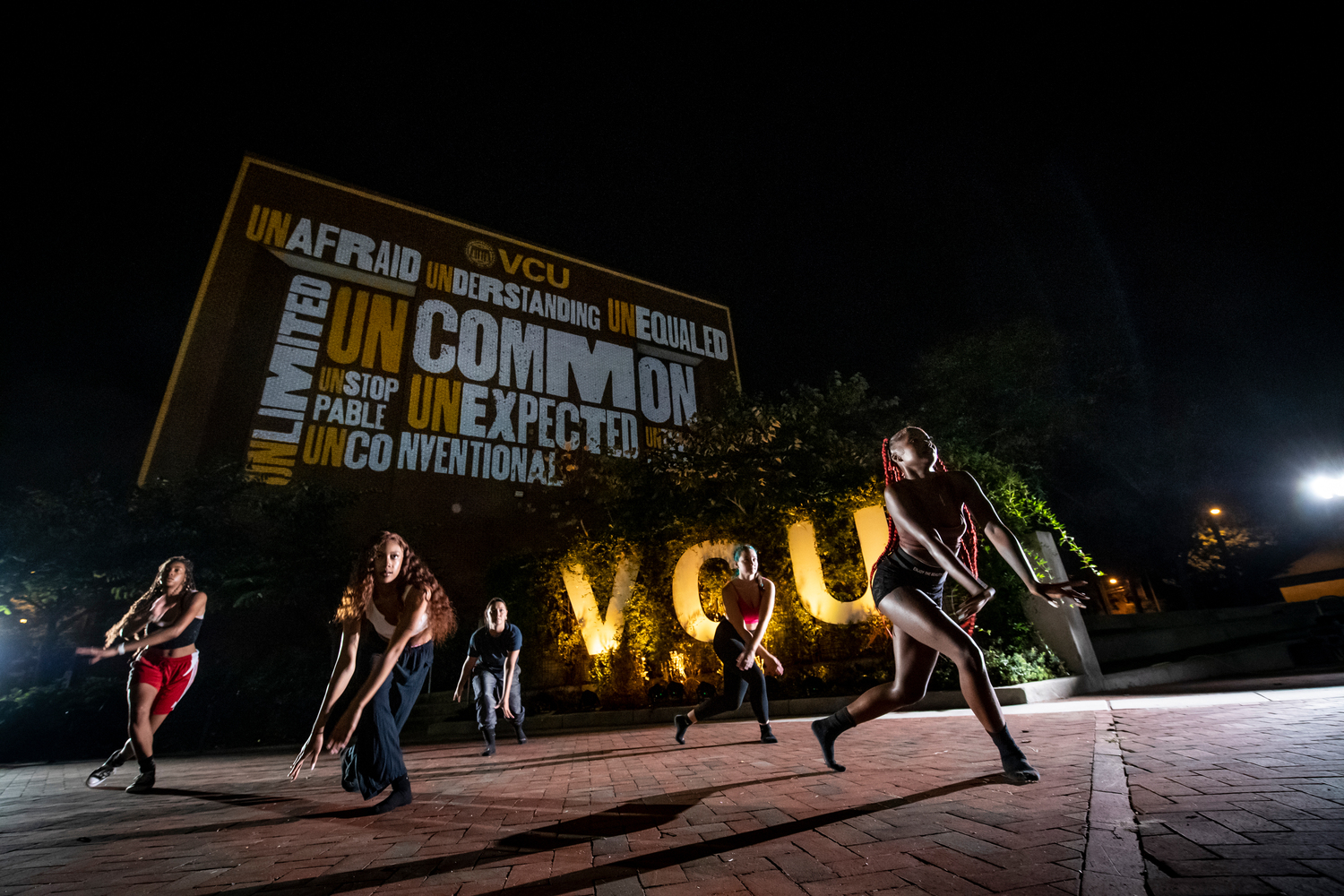
Ready to join a workforce UNLIKE any other?
Research Scientist - Oral & Craniofacial Molecular Biology - School of Dentistry
- 45001709
- 907 Floyd Avenue, MCV Main Campus, Virginia, United States, 23284
- Research
- Staff
- School Of Dentistry MBU
The Philips Institute for Oral Health Research in the Department of Oral & Craniofacial Molecular Biology (OCMB) at Virginia Commonwealth University (VCU) School of Dentistry is seeking a full-time Research Scientist to join the Laboratory of Oral & Craniofacial Innovation (LOCI). The role focuses on advancing NIH-, industry-, and foundation-funded translational research to define the spatial and molecular architecture of cancer, chronic inflammatory diseases, and host–microbiome interactions.
The scientist will integrate single-cell and spatial multiomics, multiplex and deep visual proteomics, and precision-cut tumor and mucosal explant systems to create high-resolution maps of tissue microenvironments. A key responsibility is applying advanced computational and AI approaches, including machine learning and generative modeling, to build virtual tissue models, identify therapeutic targets, and test predictions in translational tissue systems.
Working with interdisciplinary teams across molecular biology, computational systems biology, and clinical oncology, the Research Scientist will translate spatial multiomic insights into precision diagnostics and next-generation therapies. Strong expertise in molecular and cellular biology, single-cell and spatial multiomics, and high-dimensional data analysis is required, with experience in cancer biology, immune-oncology, explant/organoid systems, and machine learning preferred. The position offers scientific independence and leadership in AI-enabled translational tissue modeling at VCU.
Qualifications:
Minimum Qualifications
- Ph.D. in molecular biology, cell biology, cancer biology, immunology, bioengineering, computational biology, or a related field
- Minimum one (1) year of postdoctoral research experience
- Strong expertise in molecular and cellular biology techniques
- Experience with single-cell RNA sequencing and/or spatial multiomics, including experimental design and data interpretation
- Experience analyzing high-dimensional biological datasets (e.g., transcriptomic, proteomic, multimodal) and familiarity with relevant computational workflows
- Willingness to perform animal procedures in compliance with institutional and ethical guidelines
- Ability to work independently and collaboratively within interdisciplinary teams
- Experience mentoring trainees or junior personnel
- Strong written and verbal communication skills with a record of peer-reviewed publications
- Demonstrated ability to work in and foster an environment of respect, professionalism, and civility with a population of faculty, staff, and students from all backgrounds and experiences, or a commitment to do so as a staff member at VCU
Preferred Qualifications
- Experience in cancer biology, immune-oncology, tumor microenvironment research, or chronic inflammatory disease modeling
- Experience with translational tissue platforms (e.g., tumor explants, organoids, precision-cut tissue slices)
- Advanced computational expertise in bioinformatics, spatial and multimodal omics integration, including proficiency in R and/or Python
- Experience applying machine learning, network analysis, or multicellular interaction modeling to biological datasets
- Experience integrating transcriptomic, proteomic, and imaging-based spatial data
- Experience designing and interpreting drug perturbation or target validation studies, ideally within pharmaceutical collaborations or drug discovery pipelines
- Experience with syngeneic mouse models, lineage tracing, or genetic manipulation (e.g., CRISPR-based systems)
- Demonstrated ability to lead collaborative research projects and contribute to grant submissions
Benefits: All full-time university staff are eligible for VCU’s robust benefits package that includes comprehensive health benefits, paid annual and holiday leave, generous tuition benefits, retirement planning and savings options, tax-deferred annuity and cash match programs, employee discounts, well-being resources, abundant opportunities for career development and advancement, and more.
Salary Range: Commensurate
FLSA Exemption Status: Exempt
Hours per Week: 40
Restricted Position: Yes
ORP Eligible: Yes
Contact Information:
Contact Name: Dr. Kevin Byrd
Contact Email: byrdk6@vcu.edu
Recommended for you
Junior Security Engineer
VCU Main Campus VCU Main CampusHourly Lab Specialist - Pharmacology and Toxicology
MCV Main Campus MCV Main CampusHourly Lab Technician - Pharmacology and Toxicology
MCV Main Campus MCV Main CampusEEO
Virginia Commonwealth University is an equal opportunity employer.
VCU Notice of Nondiscrimination
Know Your Rights: Workplace Discrimination is Illegal
VCU's Pay Transparency Nondiscrimination Provision
Annual security and fire safety report
Virginia Commonwealth University (VCU) is committed to assisting all members of the community in providing for their own safety and security. As required by federal law (The Jeanne Clery Disclosure of Campus Security Policy and Campus Crime Statistics Act, 20 U.S.C.1092(f), known as the “Clery Act”), the university publishes an Annual Security and Fire Safety Report, which contains information regarding campus security, crime reporting policies, personal safety and crime prevention, and fire and crime statistics for our various campus locations. To request a paper copy of the current report, please contact the VCU Police Department by calling (804) 828-3851 or in person at 224 E. Broad St., Richmond, Virginia 23219.
E-verify Notice: After accepting employment, new hires are required to complete an I-9 form and present documentation of their identity and eligibility to work in the United States. Effective June 1, 2011, agencies in the Commonwealth of Virginia's Executive Branch will use the E-Verify system to confirm identity and work authorization.
If you have questions or need accommodations during the application and interview process, please contact VCU Human Resources at (804) 828-0177 (Voice), (800) 828-1120 (TDD) or askhr@vcu.edu. The HR Welcome Center on the corner of Belvidere Street and W. Franklin Street is open Monday through Friday 8:30 a.m. to 4:30 p.m.