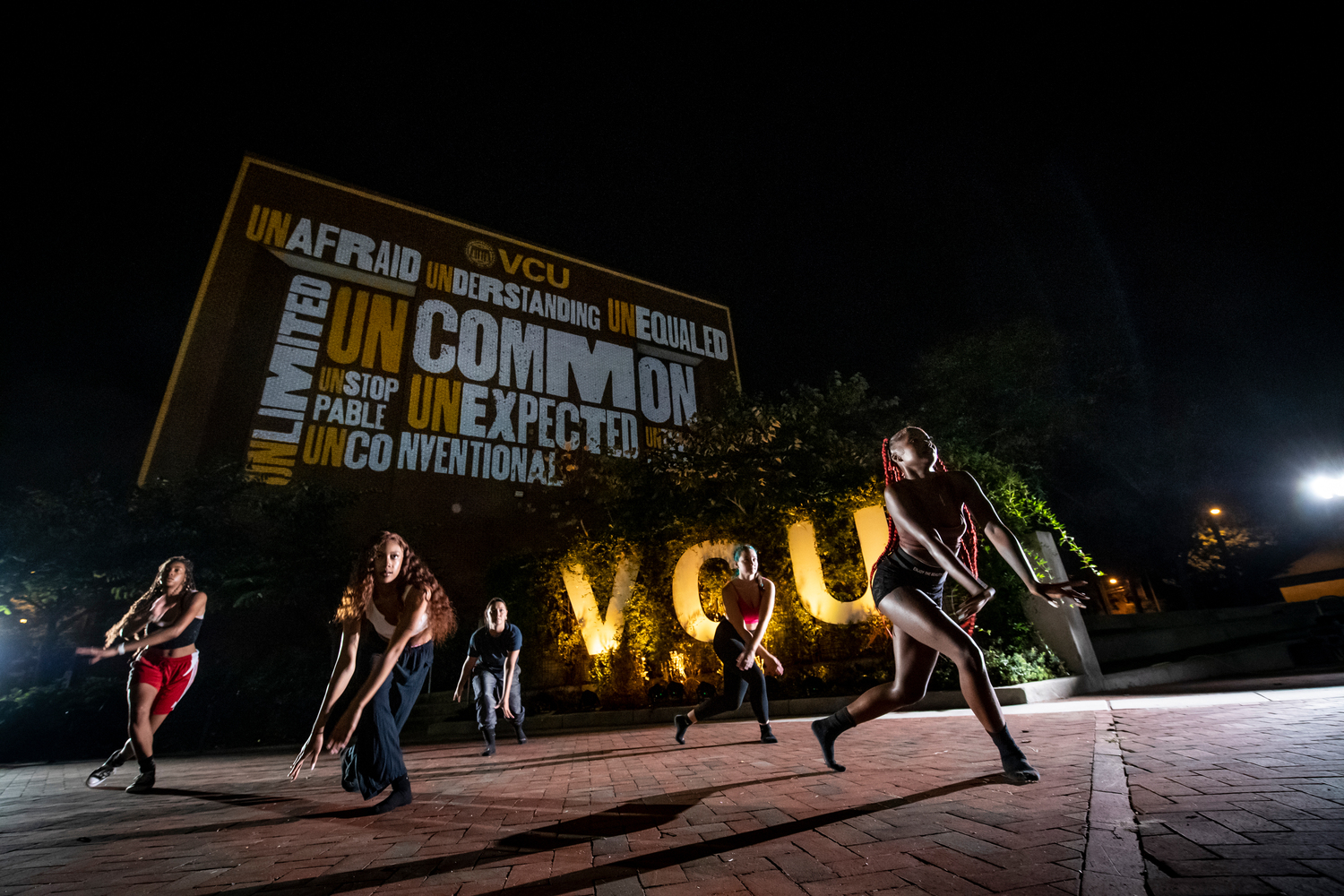
Ready to join a workforce UNLIKE any other?
Adjunct Instructor Communication (Rolling Pool)
- 45002219
- 907 Floyd Avenue, VCU Main Campus, Virginia, United States, 23284
- Academic and Faculty Affairs
- Adjunct
- College of Humanit and Sciences MBU
The Robertson School of Communication at Virginia Commonwealth University seeks dynamic adjunct instructors to teach undergraduate courses across advertising, public relations, journalism, and media production. We are looking for professionals and scholars who bring both industry insight and a commitment to preparing students for a rapidly evolving media landscape.
Adjunct faculty will teach one or more courses per semester, engage students through applied, hands-on learning, and contribute to a curriculum grounded in relevance, responsiveness, and career readiness. Courses may include topics such as strategic communication, media writing, digital storytelling, content creation, and emerging media technologies, including AI in communication practice.
Inspire students while teaching concepts, skills and best practices regarding contemporary advertising, dependent on the specific class. See the list of classes and requirements for the bachelor of science in mass communications at http://bulletin.vcu.edu/undergraduate/college-humanities-sciences/school-media-culture/.
Your application will remain active for a year; you may resubmit your application for subsequent years. Only those selected for an interview will be contacted. NOTE: This is a part-time, non-benefited faculty position. Adjunct contracts are for one semester.
Minimum Qualifications
EDUCATION:
Master’s degree in a related field with experience and specialized expertise directly related to the position, or significant professional experience in lieu of a master’s degree.
COMPETENCIES/EXPERIENCE:
Demonstrated teaching experience or the potential to successfully teach an undergraduate course in a university setting.
Preferred Qualifications
EDUCATION:
Ph.D. or other doctoral degree in a related discipline or directly related to the position is highly preferred.
Previous experience teaching courses within the Robertson School of Communication.
Salary Range: $1,487 per credit hour
FLSA Exemption Status: Exempt
Rank: Instructor
Contact Information:
Contact Name: Pamela Williams
Contact Email: ptwilliams2@vcu.edu
Recommended for you
Allergist - Internal Medicine, Rheumatology - M89685
MCV Main Campus MCV Main CampusInstitute for Contemporary Art Curatorial Assistant and Exhibitions Program Manager
VCU Main Campus VCU Main CampusInstitute for Contemporary Art Exhibitions Project Manager
VCU Main Campus VCU Main CampusEEO
Virginia Commonwealth University is an equal opportunity employer.
VCU Notice of Nondiscrimination
Know Your Rights: Workplace Discrimination is Illegal
VCU's Pay Transparency Nondiscrimination Provision
Annual security and fire safety report
Virginia Commonwealth University (VCU) is committed to assisting all members of the community in providing for their own safety and security. As required by federal law (The Jeanne Clery Disclosure of Campus Security Policy and Campus Crime Statistics Act, 20 U.S.C.1092(f), known as the “Clery Act”), the university publishes an Annual Security and Fire Safety Report, which contains information regarding campus security, crime reporting policies, personal safety and crime prevention, and fire and crime statistics for our various campus locations. To request a paper copy of the current report, please contact the VCU Police Department by calling (804) 828-3851 or in person at 224 E. Broad St., Richmond, Virginia 23219.
E-verify Notice: After accepting employment, new hires are required to complete an I-9 form and present documentation of their identity and eligibility to work in the United States. Effective June 1, 2011, agencies in the Commonwealth of Virginia's Executive Branch will use the E-Verify system to confirm identity and work authorization.
If you have questions or need accommodations during the application and interview process, please contact VCU Human Resources at (804) 828-0177 (Voice), (800) 828-1120 (TDD) or askhr@vcu.edu. The HR Welcome Center on the corner of Belvidere Street and W. Franklin Street is open Monday through Friday 8:30 a.m. to 4:30 p.m.