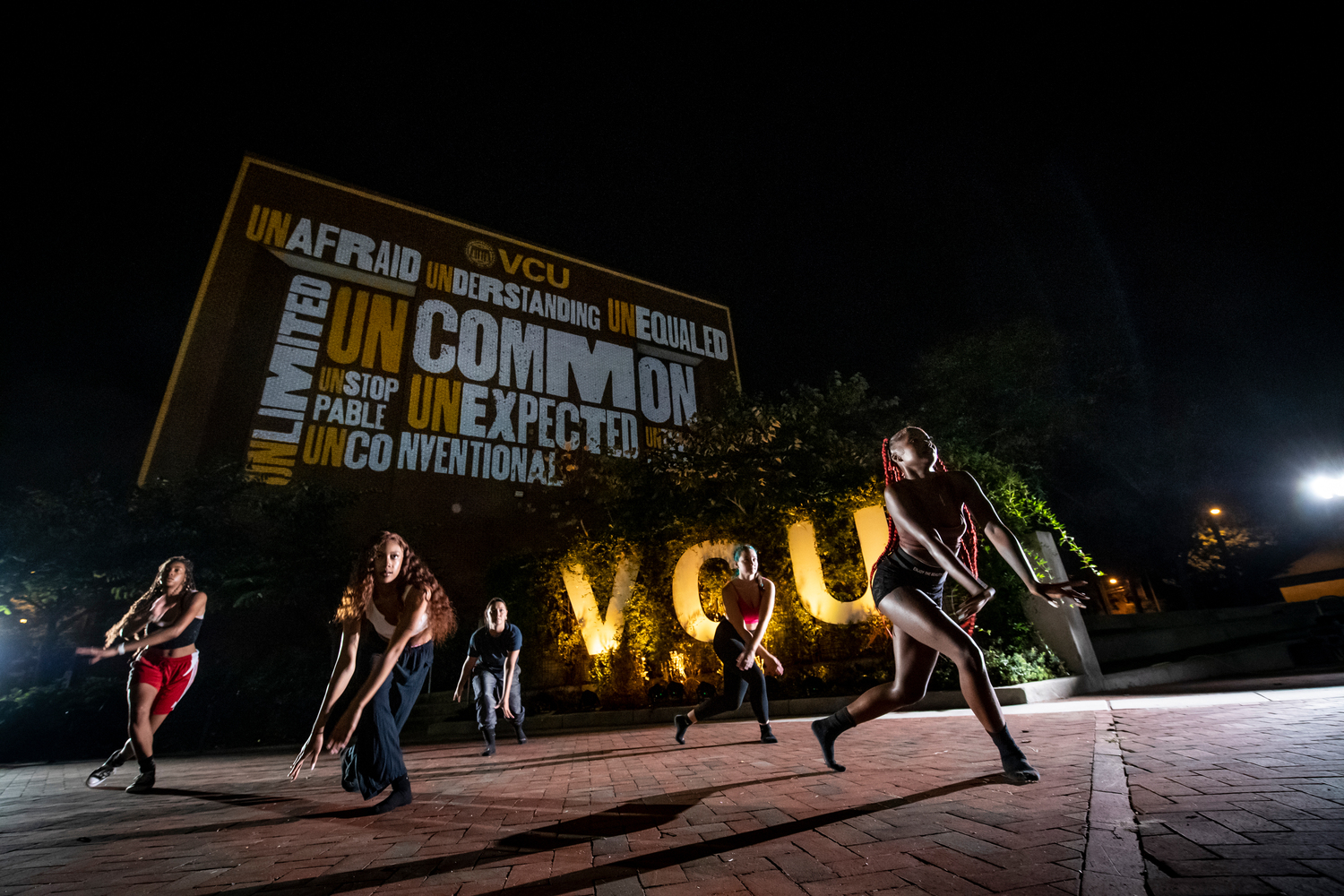
Ready to join a workforce UNLIKE any other?
Training and Technical Assistance Associate
- 45002087
- 907 Floyd Avenue, VCU Main Campus, Virginia, United States, 23284
- Faculty
- Teaching & Research Faculty
- School Of Education MBU
Advertising Summary: Join the VCU Rehabilitation Research and Training Center (RRTC) Autism Center for Education (ACE) and make a meaningful impact on the lives of individuals with autism across Virginia. This dynamic role blends teaching and service, offering opportunities to develop and deliver professional learning, provide statewide technical assistance, and support the implementation of evidence-based practices in schools and communities.
The position is ideal for a collaborative professional with experience in education or human services who is passionate about improving outcomes for individuals with autism. Candidates will work closely with educators, families, and statewide partners while contributing to innovative training, research, and program development in a mission-driven environment.
Unit: School Of Education MBU
Department: SOE Spec Ed and DP RRTC
Department Summary: Established in 1983, the Virginia Commonwealth University RRTC provides resources for professionals, individuals with disabilities, and their representatives. The center brings together nationally and internationally recognized researchers committed to developing and advancing evidence-based practices that improve the hiring and retention of individuals with disabilities.
The mission of the VCU RRTC Autism Center for Education (VCU-RRTC-ACE) is to enhance services and supports for individuals with autism by promoting the implementation of research-based practices in schools and communities through training, technical assistance, and collaboration.
Duties & Responsibilities:
Minimum Qualifications:
Demonstrated ability to work in and foster an environment of respect, professionalism and civility with a population of faculty, staff, and students from all backgrounds and experiences, or a commitment to do so as a faculty member at VCU.
Master's degree in education, psychology, behavior analysis, autism, speech-language pathology, or a closely related field.
Knowledge of Virginia's special education regulations.
Extensive knowledge of evidence-based practices for students with autism in public school settings.
A minimum of 5 years of experience in teaching, administration, providing direct services, or providing therapy in public schools or other public service settings.
At least 2 years of experience delivering technical assistance and coaching in public school settings.
Excellent communication skills.
Experience developing and implementing online training and education in autism.
Preferred Qualifications:
Ph.D. or post-masters training.
Speech-Language Pathologist, Certificate of Clinical Competence (SLP-CCC).
Extensive experience in delivering speech and language services, including augmentative and alternative communication devices, to individuals with autism in public school settings.
Board Certified Behavior Analyst.
Expertise in early childhood special education, transition to adulthood, inclusion practices and embedding the current principles and techniques of educating autistic students in general education classrooms, support for parents and family members of students with autism, or other relevant special education topics.
Salary Range: $70,000 - $90,000
Benefits: All full-time university staff are eligible for VCU’s robust benefits package that includes comprehensive health benefits, paid annual and holiday leave, generous tuition benefits, retirement planning and savings options, tax-deferred annuity and cash match programs, employee discounts, well-being resources, abundant opportunities for career development and advancement, and more.
FLSA Exemption Status: Exempt
Hours per Week: 40
Restricted Position: Yes
Flexible Work Arrangement: Other
Rank: Instructor
Tenure: Ineligible
Months: 12 months
Contact Information:
Contact Name: Melanie Derry
Contact Email: derrym@vcu.edu
Recommended for you
Investigator Initiated Trial Research Operations Project Manager
MCV Main Campus MCV Main CampusApplication Analyst
VCU Main Campus VCU Main CampusInstructional Design Specialist
MCV Main Campus MCV Main CampusEEO
Virginia Commonwealth University is an equal opportunity employer.
VCU Notice of Nondiscrimination
Know Your Rights: Workplace Discrimination is Illegal
VCU's Pay Transparency Nondiscrimination Provision
Annual security and fire safety report
Virginia Commonwealth University (VCU) is committed to assisting all members of the community in providing for their own safety and security. As required by federal law (The Jeanne Clery Disclosure of Campus Security Policy and Campus Crime Statistics Act, 20 U.S.C.1092(f), known as the “Clery Act”), the university publishes an Annual Security and Fire Safety Report, which contains information regarding campus security, crime reporting policies, personal safety and crime prevention, and fire and crime statistics for our various campus locations. To request a paper copy of the current report, please contact the VCU Police Department by calling (804) 828-3851 or in person at 224 E. Broad St., Richmond, Virginia 23219.
E-verify Notice: After accepting employment, new hires are required to complete an I-9 form and present documentation of their identity and eligibility to work in the United States. Effective June 1, 2011, agencies in the Commonwealth of Virginia's Executive Branch will use the E-Verify system to confirm identity and work authorization.
If you have questions or need accommodations during the application and interview process, please contact VCU Human Resources at (804) 828-0177 (Voice), (800) 828-1120 (TDD) or askhr@vcu.edu. The HR Welcome Center on the corner of Belvidere Street and W. Franklin Street is open Monday through Friday 8:30 a.m. to 4:30 p.m.