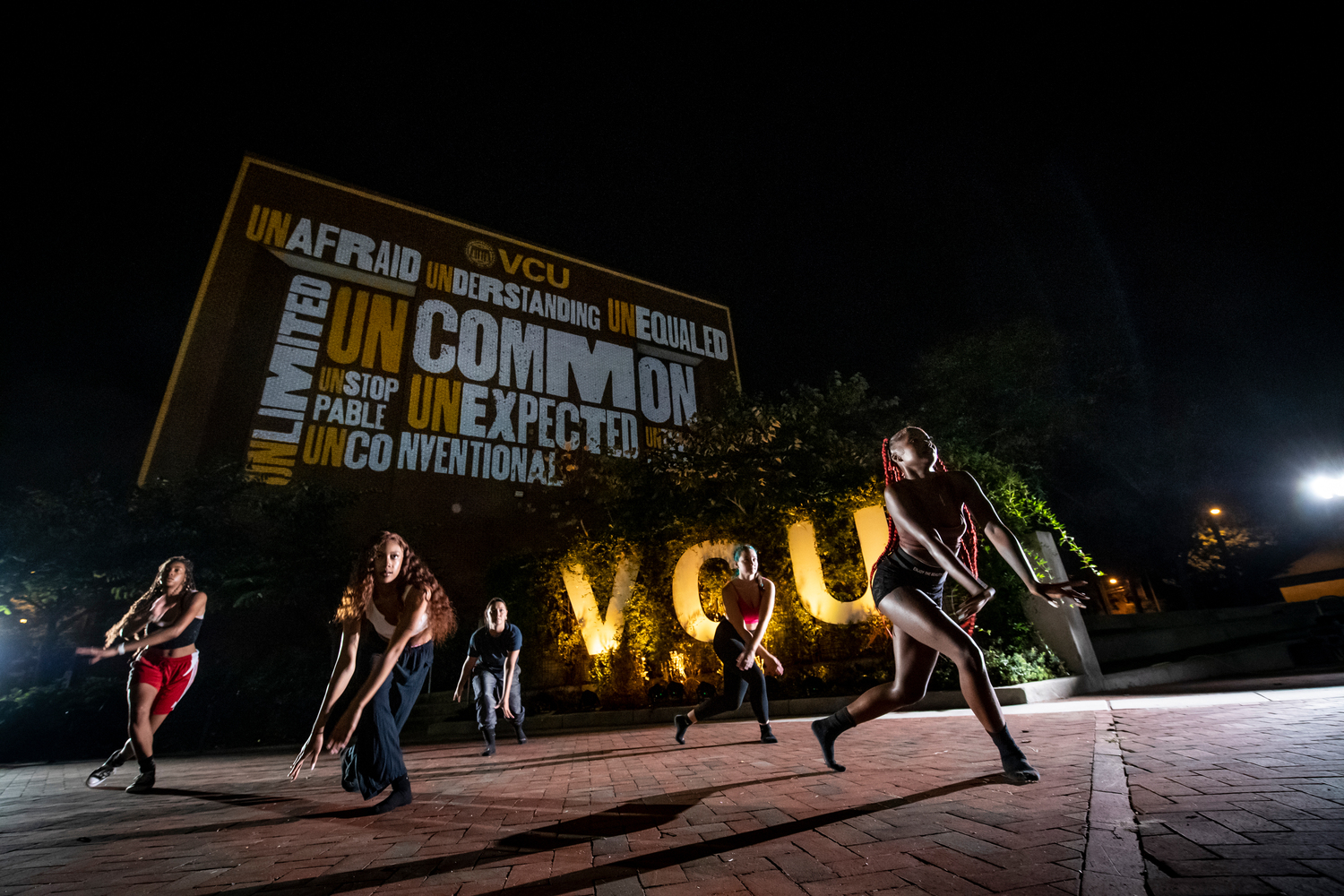
Ready to join a workforce UNLIKE any other?
Postdoctoral Research Associate – Musculoskeletal Biology
- 45002624
- 907 Floyd Avenue, VCU Main Campus, Virginia, United States, 23284
- Faculty
- PostDoc
- College Of Engineering MBU
At VCU, we take pride in our deep commitment to our postdoctoral community. In 2026, the National Postdoctoral Association (NPA) named VCU as one of only 12 recipients of its inaugural Institutional Policy Awards, in recognition of our transformative efforts to elevate quality of life and workplace equity for postdocs.
The Department of Biomedical Engineering in the College of Engineering at Virginia Commonwealth University, candidates to apply for the Postdoctoral Research Associate – Musculoskeletal Biology.
Since its inception in 1996, the Virginia Commonwealth University College of Engineering has brought innovative, real-world engineering education to Central Virginia. Comprised of five different departments plus the Dean’s office, the College of Engineering enrolls more than 2,000 undergraduate and 500 graduate students in several degree programs supported by more than 600 full-time, part-time, and student employees. As part of a premier research university known for tenacity, love of the city of Richmond, and commitment to respect and access, the College of Engineering values the significant and positive impact of our people and ideas in the promotion of regional and global prosperity involving research and life sciences.
Position Responsibilities:
The Biomedical Engineering Department at Virginia Commonwealth University invites applications from qualified candidates for post-doctoral positions working in the laboratory of Henry J. Donahue, Ph.D. Candidates should have a Ph.D. in Biomedical Engineering, Biomedical Sciences, Mechanical Engineering or a related discipline. Our laboratory examines, using both in vitro and in vivo models, the cellular and molecular mechanism by which musculoskeletal tissues adapt to the mechanical environment, the role of genetic variability in this process and the effect of metabolic disease on this process. We are most interested in candidates with experience in one or more of the following areas: cell and molecular biology, in vitro and in vivo imaging, especially micro CT, transgenic animal models, and bioinformatics. Salaries for these post-doctoral positions will be at the NIH scale.
Required Qualifications:
- Ph.D. in Biomedical Engineering, Biomedical Sciences, Mechanical Engineering or a related discipline.
- Strong interest in musculoskeletal biology.
- Strong oral and written skills, with the ability to communicate effectively
- Experience working with in vitro and/or in vivo models of skeletal biology.
- Demonstrated experience working in and fostering an environment of respect, professionalism, and civility with a population of faculty, staff, and students from various backgrounds and experiences, or a commitment to do so as a postdoc at VCU.
Preferred Qualifications:
-Experience with microCT
-Experience breeding and working with mice
-Experience in bioinformatics
About the College of Engineering:
Biomedical Engineering at Virginia Commonwealth University offers the B.S., M.S. and Ph.D. degrees and collaborates closely with clinicians and biomedical scientists on the VCU Medical Center in downtown Richmond, Virginia. The environment within the College of Engineering at VCU is collegial and highly collaborative.
Additional information about the department’s programs and faculty may be found at https://egr.vcu.edu/departments/biomedical-engineering/.
VCU postdocs are Virginia state employees, with benefits mirroring 12-month faculty. We adhere closely to the NPA’s guidelines for best practices in postdoc training. We work closely with our local NPA chapter, the VCU Postdoc Association, to make this a welcoming and productive place to complete your training!
Unit: College Of Engineering
Department: Biomedical Engineering
Salary Range: $63,480 per year
Benefits: All VCU employee types are eligible for a wide array of benefits to support you during your employment at VCU. Consult the benefits website for information on benefits eligibility according to employee type.
FLSA Exemption Status: Exempt
Contact Information:
Contact Name: Emily Perrault
Contact Email: perraultek@vcu.edu
Recommended for you
Virginia Tiered Systems of Supports (VTSS) Systems Coach
MCV Main Campus. VCU Main Campus MCV Main Campus. VCU Main CampusPopulation Health and Data Science T32 Postdoctoral Research Fellow - PM&R
MCV Main Campus MCV Main CampusAllergist - Internal Medicine, Rheumatology - M89685
MCV Main Campus MCV Main CampusEEO
Virginia Commonwealth University is an equal opportunity employer.
VCU Notice of Nondiscrimination
Know Your Rights: Workplace Discrimination is Illegal
VCU's Pay Transparency Nondiscrimination Provision
Annual security and fire safety report
Virginia Commonwealth University (VCU) is committed to assisting all members of the community in providing for their own safety and security. As required by federal law (The Jeanne Clery Disclosure of Campus Security Policy and Campus Crime Statistics Act, 20 U.S.C.1092(f), known as the “Clery Act”), the university publishes an Annual Security and Fire Safety Report, which contains information regarding campus security, crime reporting policies, personal safety and crime prevention, and fire and crime statistics for our various campus locations. To request a paper copy of the current report, please contact the VCU Police Department by calling (804) 828-3851 or in person at 224 E. Broad St., Richmond, Virginia 23219.
E-verify Notice: After accepting employment, new hires are required to complete an I-9 form and present documentation of their identity and eligibility to work in the United States. Effective June 1, 2011, agencies in the Commonwealth of Virginia's Executive Branch will use the E-Verify system to confirm identity and work authorization.
If you have questions or need accommodations during the application and interview process, please contact VCU Human Resources at (804) 828-0177 (Voice), (800) 828-1120 (TDD) or askhr@vcu.edu. The HR Welcome Center on the corner of Belvidere Street and W. Franklin Street is open Monday through Friday 8:30 a.m. to 4:30 p.m.