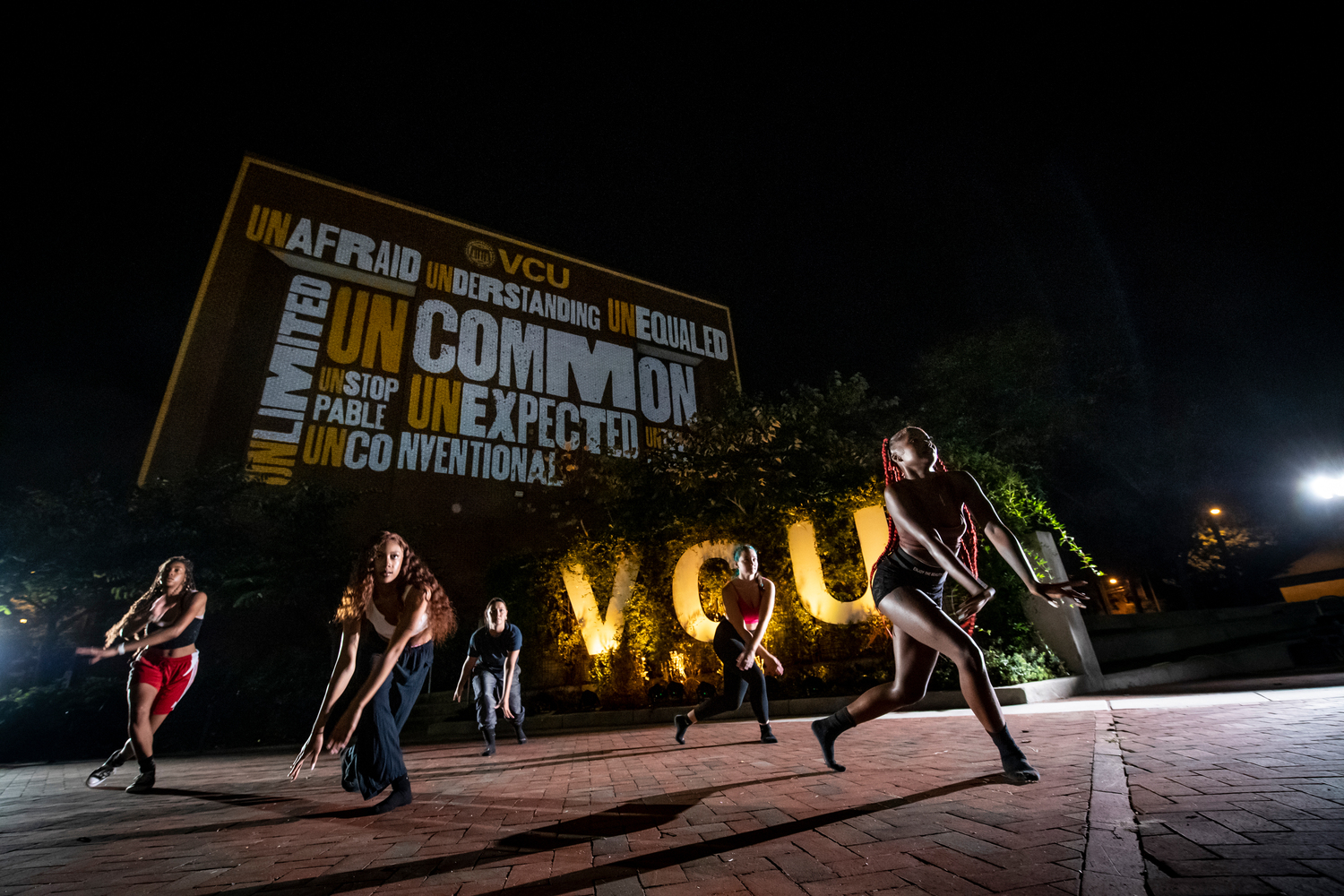
Ready to join a workforce UNLIKE any other?
Post Doctoral Scholar - Injury Violence and Prevention Program - Dept of Social & Behavioral Sciences
- 45002518
- 907 Floyd Avenue, MCV Main Campus, Virginia, United States, 23284
- Research
- PostDoc
- School of Public Health MBU
At VCU, we take pride in our deep commitment to our postdoctoral community. In 2026, the National Postdoctoral Association (NPA) named VCU as one of only 12 recipients of its inaugural Institutional Policy Awards, in recognition of our transformative efforts to elevate quality of life and workplace equity for postdocs.
VCU postdocs are Virginia state employees, with benefits mirroring 12-month faculty. We adhere closely to the NPA’s guidelines for best practices in postdoc training. We work closely with our local NPA chapter, the VCU Postdoc Association, to make this a welcoming and productive place to complete your training!
Position Summary:
The Department of Social and Behavioral Sciences in the Virginia Commonwealth University, School of Public Health is seeking a highly motivated, research-focused Post-Doctoral Fellow to join the research program led by Dr. Nicholas Thomson. The fellow will contribute to a portfolio of federally funded research focused on gun violence, suicide and self-directed violence, violence, conduct disorder and externalizing psychopathology, developmental psychopathology, and the development and evaluation of innovative prevention
approaches.
Current research examines biopsychosocial risk and protective processes associated with violence and behavioral health outcomes, with particular interest in understanding how individual, interpersonal, physiological, and contextual factors contribute to the development and persistence of violence, suicide risk, conduct problems, and related behavioral difficulties. The research program also includes the development and evaluation of scalable, technology-enabled prevention and intervention approaches.
The position is particularly well suited for an early-career scientist seeking intensive mentorship while developing an independent program of research. The fellow will have opportunities to lead manuscripts, develop grant applications, conduct analyses using longitudinal and intervention datasets, contribute to ongoing federally funded studies, present findings at national and international scientific meetings, and develop research aligned with their own emerging scientific interests.
Candidates with expertise or a developing research program focused on suicide or self-directed violence are of particular interest. Experience or interest in psychophysiology, including the assessment of autonomic or other physiological processes associated with emotion, threat, decision-making, or behavioral regulation, is also highly desirable. Candidates with experience using technology in behavioral or prevention research, including digital health, virtual reality, mobile technologies, wearable sensors, or related approaches, are especially encouraged to apply.
The successful candidate should have research interests that complement one or more areas of the program, including:
- Gun violence and firearm-related harm
- Suicide and self-directed violence
- Interpersonal violence and aggression
- Conduct disorder and externalizing psychopathology
- Developmental psychopathology
- Psychophysiology and biobehavioral mechanisms
- Youth behavioral and mental health
- Prevention and intervention science
- Technology-enabled behavioral health and prevention research
- The fellow will be expected to contribute intellectually to the research program while developing a coherent and increasingly independent line of scholarship.
Duties and Responsibilities
The Post-Doctoral Fellow will participate in the scientific activities of ongoing research studies and receive structured mentorship in scientific writing, grantsmanship, quantitative analysis, study design, and career development.
Responsibilities will include:
- Leading and contributing to peer-reviewed scientific manuscripts.
- Developing first-author publications using existing and newly collected research data.
- Contributing to federal and foundation grant applications and developing independent fellowship, career development, or research proposals appropriate to the fellow's career stage.
- Developing research questions and conducting analyses using longitudinal, observational, experimental, and intervention datasets.
- Conducting quantitative analyses of behavioral, clinical, and public health data.
- Supporting the design, implementation, and evaluation of studies addressing gun violence, suicide, violence, conduct problems, and related behavioral health outcomes.
- Contributing to research incorporating psychophysiological, behavioral, clinical, or technology-based methods, as applicable to individual studies.
- Participating in participant recruitment, baseline and follow-up assessments, and study retention activities as needed.
- Conducting clinical, behavioral, or neurocognitive assessments when relevant to specific research projects.
- Contributing to data management, quality assurance, research documentation, and reproducible analytic workflows.
- Conducting targeted and systematic reviews of the scientific literature.
- Supporting IRB submissions, protocol modifications, regulatory documentation, and research compliance.
- Collaborating with multidisciplinary investigators within the School of Public Health, across VCU, and with clinical and community partners.
- Presenting findings at local, national, and international scientific meetings.
- Participating in regular research, mentorship, and professional-development activities.
The fellow will be encouraged to develop an independent scientific identity, establish a focused program of research, and pursue external funding during the fellowship.
Minimum Qualifications
- Ph.D. or equivalent doctoral degree in psychology, public health, behavioral science, developmental science, neuroscience, criminology, or a closely related field by the position start date.
- Research interests relevant to violence, suicide, developmental psychopathology, behavioral health, prevention science, or a closely related area.
- Demonstrated scientific writing expertise, evidenced by peer-reviewed publications.
- Evidence of the ability to lead or make substantial contributions to scientific manuscripts.
- Strong quantitative research skills and experience analyzing behavioral, clinical, or public health data.
- Experience using statistical software such as R, SPSS, SAS, Stata, Mplus, or comparable analytic platforms.
- Strong understanding of research design and quantitative methodology.
- Excellent organizational and project-management skills.
- Excellent interpersonal and collaborative skills.
- Ability to work effectively both independently and within multidisciplinary research teams.
- Demonstrated experience working in and fostering an environment of respect, professionalism and civility with a population of faculty, staff, and students from all backgrounds and experiences, or a commitment to do so as a post doc at VCU.
Preferred Qualifications:
- Research expertise in suicide, suicidal thoughts and behaviors, or self-directed violence.
- Research experience in gun violence, firearm-related injury, interpersonal violence, aggression, or violence prevention.
- Research experience involving conduct disorder, antisocial behavior, externalizing psychopathology, or related developmental processes.
- Experience or strong interest in psychophysiology, including measures such as electrodermal activity, heart rate, heart-rate variability, or related physiological methods.
- Experience incorporating physiological and behavioral measures to investigate mechanisms underlying emotion, threat processing, behavioral regulation, or psychopathology.
- Experience using technology in behavioral health, public health, or intervention research, including virtual reality, mobile or digital health technologies, wearable sensors, ecological momentary assessment, or related approaches.
- Experience with longitudinal, experimental, clinical, community-based, or intervention research.
This is a restricted position with no set end date and continued employment is dependent upon project need, availability of funding, and performance.
Salary Range: NIH Salary Scale
Benefits: All VCU employee types are eligible for a wide array of benefits to support you during your employment at VCU. Consult the benefits website for information on benefits eligibility according to employee type.
FLSA Exemption Status: Exempt
ORP Eligible: Yes
Flexible Work Arrangement: Fully Onsite
Contact Information:
Contact Name: Cian Brooks
Contact Email: Brookst10@vcu.edu
Recommended for you
Adjunct Faculty-Department of Focused Inquiry
VCU Main Campus VCU Main CampusAdjunct Faculty- Department of Kinesiology and Health Sciences (Health Sciences concentration)
VCU Main Campus VCU Main CampusAdjunct Faculty- Department of Kinesiology and Health Sciences (Exercise Science concentration)
VCU Main Campus VCU Main CampusEEO
Virginia Commonwealth University is an equal opportunity employer.
VCU Notice of Nondiscrimination
Know Your Rights: Workplace Discrimination is Illegal
VCU's Pay Transparency Nondiscrimination Provision
Annual security and fire safety report
Virginia Commonwealth University (VCU) is committed to assisting all members of the community in providing for their own safety and security. As required by federal law (The Jeanne Clery Disclosure of Campus Security Policy and Campus Crime Statistics Act, 20 U.S.C.1092(f), known as the “Clery Act”), the university publishes an Annual Security and Fire Safety Report, which contains information regarding campus security, crime reporting policies, personal safety and crime prevention, and fire and crime statistics for our various campus locations. To request a paper copy of the current report, please contact the VCU Police Department by calling (804) 828-3851 or in person at 224 E. Broad St., Richmond, Virginia 23219.
E-verify Notice: After accepting employment, new hires are required to complete an I-9 form and present documentation of their identity and eligibility to work in the United States. Effective June 1, 2011, agencies in the Commonwealth of Virginia's Executive Branch will use the E-Verify system to confirm identity and work authorization.
If you have questions or need accommodations during the application and interview process, please contact VCU Human Resources at (804) 828-0177 (Voice), (800) 828-1120 (TDD) or askhr@vcu.edu. The HR Welcome Center on the corner of Belvidere Street and W. Franklin Street is open Monday through Friday 8:30 a.m. to 4:30 p.m.