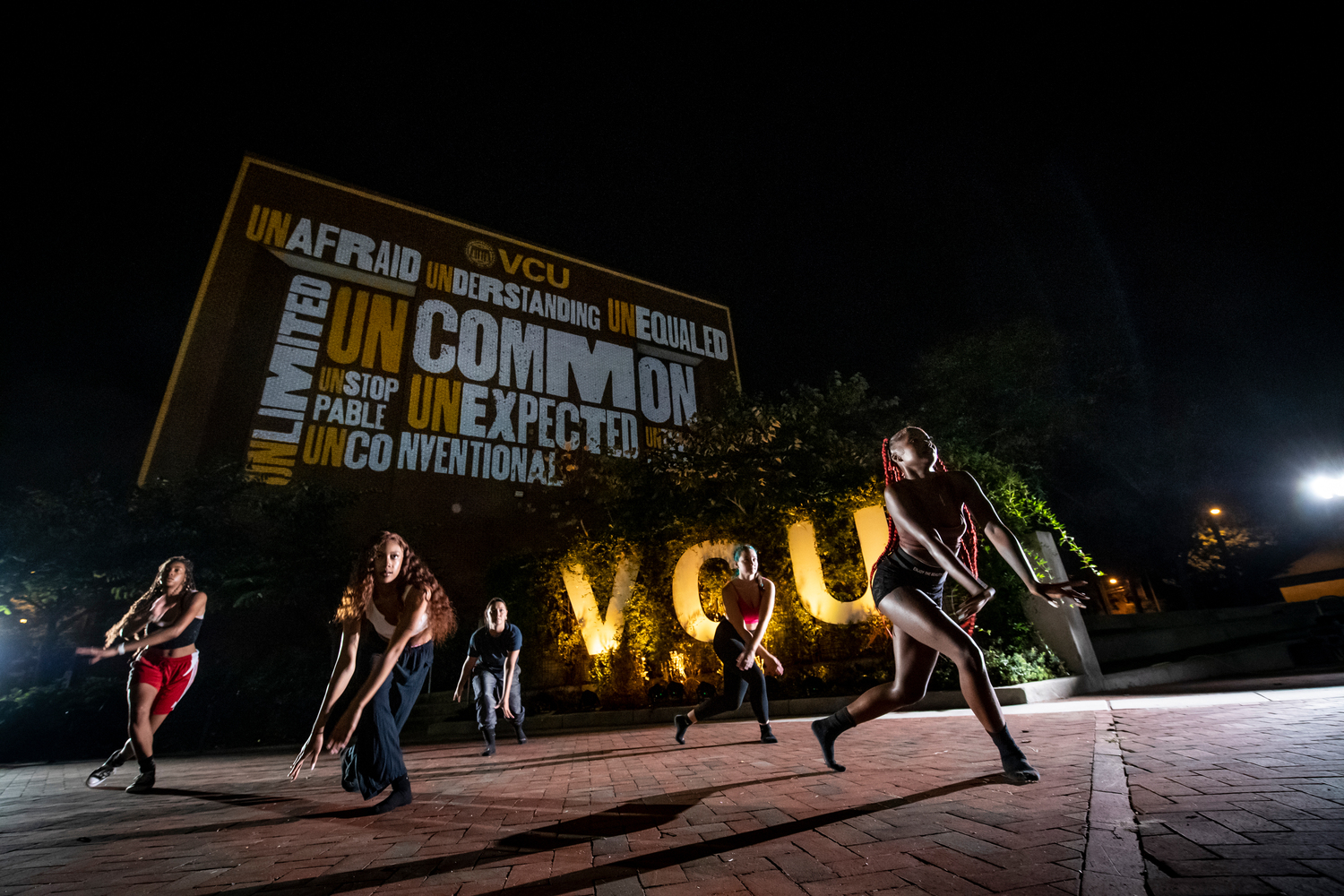
Ready to join a workforce UNLIKE any other?
Population Health and Data Science T32 Postdoctoral Research Fellow - PM&R
- 45002610
- 907 Floyd Avenue, MCV Main Campus, Virginia, United States, 23284
- Research
- PostDoc
- School Of Medicine MBU
Advertising Summary: At VCU, we take pride in our deep commitment to our postdoctoral community. In 2026, the National Postdoctoral Association (NPA) named VCU as one of only 12 recipients of its inaugural Institutional Policy Awards, in recognition of our transformative efforts to elevate quality of life and workplace equity for postdocs.
VCU postdocs are Virginia state employees, with benefits mirroring 12-month faculty. We adhere closely to the NPA’s guidelines for best practices in postdoc training. We work closely with our local NPA chapter, the VCU Postdoc Association, to make this a welcoming and productive place to complete your training!
Unit: School Of Medicine MBU
Department: Physical Medicine and Rehabilitation
Department Summary:
Background:
We are recruiting postdoctoral scholars for the NIH-funded T32 Postdoctoral Training Program in Translational Population Health and Data Science Using Service Member, Veteran and Civilian Healthcare Datasets.
Virginia Commonwealth University (VCU) and the Central Virginia VA Health Care System have partnered to create a unique big data analytics post-doctoral training program that includes didactic and experiential learning and training in use of large Veteran as well as civilian datasets. The program includes development and implementation of advanced analytics methods, not limited to machine learning methods and Artificial Intelligence.
As the commonwealth’s capital, Richmond, Virginia, offers a vibrant mix of history, culture and real-world opportunities. Distinct neighborhoods, cozy restaurants and cafes and quaint local markets give the city an intimate feel, but theaters, galleries, music festivals, sports attractions and a steady stream of annual events bring RVA — as locals call the region — to life.
Description of the Opportunity:
This T32 program will prepare postdoctoral fellows with the skills and competencies in Big Data Analytics (BDA) methods and techniques to support Evidence-Based Medicine (EBM). The datasets that will be available to the new T32 fellows will be among the largest in U.S. health care. The VA Corporate Data Warehouse holds detailed health care records on approximately 25 million veterans spanning the past 25 years, with roughly 4 billion additional data points added each day. Centers for Medicare and Medicaid Services datasets, housed at VCU through the Center for Rehabilitation Science and Engineering Data Hub, cover more than 65 million Americans enrolled annually in Medicare programs. The training program is co-led by Virginia Commonwealth University and Central Virginia Veterans Affairs Health Care System. The overarching objective of this 5-year T32 training program is to recruit and train a skilled cohort of postdoctoral fellows (MD, DO, PhD, ScD) who will develop competencies and build capacity in real-world evidence translation for service members, Veterans and civilians using population health and data science approaches.
Potential novel areas of focus include:
• Health services utilization and outcomes for beneficiaries on Medicare and Medicaid programs
• Assessing health of service members transitioning from DoD to VA care
• Exploring healthcare utilization and outcomes of dually-enrolled (CMS/VA) Veterans
• Harmonizing CMS-VA-DOW datasets to understand the complex needs and outcomes of these populations
• Comparing risk and protective factors for healthcare utilization and outcomes between civilians and military veterans
• Informing civilian population and individual-level interventions, research programs, and policy
• Examining quality of services across military, veteran and civilian healthcare systems
The primary appointment for the fellows will be in the Department of Physical Medicine and Rehabilitation (PM&R) in School of Medicine at VCU which is one of the most well-established PM&R departments in the country and has received international recognition for neurorehabilitation, including stroke, brain and spinal cord trauma research. The 70+ VCU PM&R faculty, including physicians and psychologists, provide clinical, research and teaching across VCU Health, SAI, Children’s Hospital of Richmond and Central Virginia Veterans Affairs Health Care System. The Department also has 7 post-graduate fellowship training programs in TBI/Polytrauma, Amputation, SCI, Pain Management, Integrative Medicine, Sports Medicine and Rehabilitation Research.
The position is affiliated with VCU’s Center for Rehabilitation Science and Engineering (CERSE) and the Wright Regional Center for Clinical and Translational Science. VCU and CERSE provide a rich training environment including a commitment to creating a supportive mentoring environment, didactic and hands-on research training, a broad local and national mentorship network, large datasets for analyses, statistical support, and individualized professional development opportunities.
Program Activities:
Our program will recruit fellows from both PhD/ScD and MD/DO tracks. Each fellow will participate in two years of training activities.
Upon training program completion, each fellow is expected to:
• understand responsible conduct of research with use of population health datasets, claims, survey data, and data from Electronic Health Records (EHR),
• develop grant writing skills needed to be competitive for external grant funding,
• understand the fundamentals of translational population health and data science research studies in terms of study design, dataset identification, data management and analysis, and dissemination of results,
• perform hypothesis-driven translational research by developing a multi-disciplinary team,
• disseminate study findings via scientific peer-reviewed publications/presentations, and
• complete coursework and training in the design and conduct of rigorous, controlled research studies.
As appropriate for individuals’ career goals, proposed activities mentioned above and research experience will be supplemented by a series of additional activities designed to intensify and enhance the abilities of trainees to conduct translational population health and Data Science-related research studies using service member, Veteran and civilian healthcare datasets. Our program’s didactic options include: (a) recommended formal coursework as applicable; (b) formal master’s degree program as applicable; (c) seminar and workshops; and (d) grant writing institute and workshops.
The primary fellowship goals are to develop a publication portfolio in the fellow’s line of research, work towards seeking a research faculty or research position, and prepare preliminary materials for a research career development or other grant application that the fellow can use in their subsequent role.
Mentoring Team:
Fellows will also work with a combination of mentors from different health domains and those with methodological expertise from the VCU schools of Medicine, Nursing, Dentistry, Pharmacy, and Public Health; the College of Engineering; the College of Health Professions; and Central Virginia Veterans Affairs Health Care System. Together, program mentors hold $20 million in active annual research funding. The complete list of available mentors is on the CERSE website at https://pmr.vcu.edu/research/data-hub/.
Program Timeline and Goals:
The T32 BDA Fellowship is a two-year fellowship. Applicants will be reviewed as they are received until slots are filled.
Eligibility:
Applicants must complete all PhD graduation requirements including dissertation defense prior to their start date. T32 scholars must adhere to the NIH NRSA eligibility requirements, which require candidates to be US citizens or permanent residents.
Required Qualifications/Experience:
Requires completion of a PhD/ScD or MD/DO training
Knowledge of population health, big data analytics or a health domain that could benefit from big data research
Proficiency in developing, navigating and maintaining datasets
Evidence of excellent initiation, interpersonal and organizational skills
Evidence of excellent communication skills, both oral and written
Publication history in health or big data analytics
Interest and commitment to improving the lives of Veterans as well as civilians
Evidence of working well as part of a research project or team
Demonstrated experience working in and fostering a supportive faculty, staff, and student environment and a commitment to do so as a Post-Doctoral Fellow at VCU.
Position Details:
As determined by the T32 budget, fellows will be hired as a postdoctoral research fellow with an entry level postdoctoral fellow salary according to the current National Research Service Awards (NRSA) stipend levels https://grants.nih.gov/grants/guide/notice-files/NOT-OD-26-044.html. A successful candidate for the position is expected to reside in the Richmond, VA area. Hybrid-remote and flexible work arrangements are available if they do not interfere with the candidate’s research and training.
Application Requirements:
• Curriculum Vitae (CV)
• Statement of interest with applicant’s career goals, research accomplishments, experiences in practice/research, attributes and experiences that would provide value to training and research, and how participating in the VCU BDA T32 program would advance their career goals
• Transcript(s)
• Copies of sample publications and grants authored
• Two letters of recommendation
Benefits: All VCU employee types are eligible for a wide array of benefits to support you during your employment at VCU. Consult the benefits website for information on benefits eligibility according to employee type.
Salary Range: $63,480
FLSA Exemption Status: Exempt
ORP Eligible: Yes
Restricted Position: This is a restricted position with no set end date; continued employment is dependent upon project need, availability of funding, and performance.
Flexible Work Arrangement: Hybrid
Contact Information:
Contact Name: Joshua Hahn
Contact Email: Joshua.Hahn@vcuhealth.org
Recommended for you
Postdoctoral Research Associate – Musculoskeletal Biology
VCU Main Campus VCU Main CampusVirginia Tiered Systems of Supports (VTSS) Systems Coach
MCV Main Campus. VCU Main Campus MCV Main Campus. VCU Main CampusAllergist - Internal Medicine, Rheumatology - M89685
MCV Main Campus MCV Main CampusEEO
Virginia Commonwealth University is an equal opportunity employer.
VCU Notice of Nondiscrimination
Know Your Rights: Workplace Discrimination is Illegal
VCU's Pay Transparency Nondiscrimination Provision
Annual security and fire safety report
Virginia Commonwealth University (VCU) is committed to assisting all members of the community in providing for their own safety and security. As required by federal law (The Jeanne Clery Disclosure of Campus Security Policy and Campus Crime Statistics Act, 20 U.S.C.1092(f), known as the “Clery Act”), the university publishes an Annual Security and Fire Safety Report, which contains information regarding campus security, crime reporting policies, personal safety and crime prevention, and fire and crime statistics for our various campus locations. To request a paper copy of the current report, please contact the VCU Police Department by calling (804) 828-3851 or in person at 224 E. Broad St., Richmond, Virginia 23219.
E-verify Notice: After accepting employment, new hires are required to complete an I-9 form and present documentation of their identity and eligibility to work in the United States. Effective June 1, 2011, agencies in the Commonwealth of Virginia's Executive Branch will use the E-Verify system to confirm identity and work authorization.
If you have questions or need accommodations during the application and interview process, please contact VCU Human Resources at (804) 828-0177 (Voice), (800) 828-1120 (TDD) or askhr@vcu.edu. The HR Welcome Center on the corner of Belvidere Street and W. Franklin Street is open Monday through Friday 8:30 a.m. to 4:30 p.m.