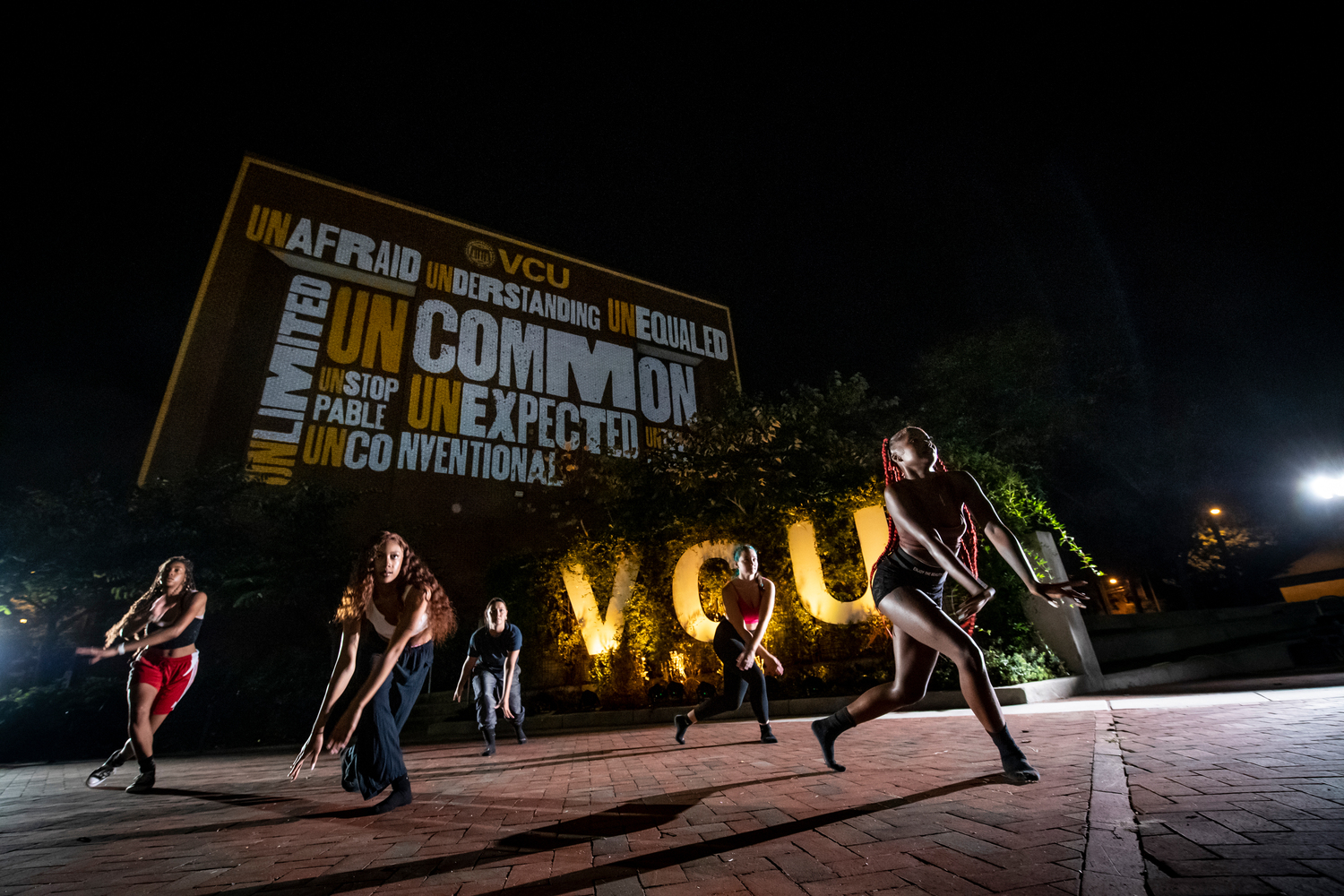
Ready to join a workforce UNLIKE any other?
Instructional Design Lead
- 45002612
- 907 Floyd Avenue, VCU Main Campus, Virginia, United States, 23284
- Academic and Faculty Affairs
- Staff
- VCU CPE & LEDstudio
About VCU Continuing and Professional Education and LEDstudio–
VCU LEDstudio is a leader in providing quality higher education and lifelong learning opportunities using a number of delivery methods, including fully online and hybrid. The unit broadly supports faculty, academic units, and community partners in their efforts to leverage technology to optimize student learning. Additionally, LEDstudio provides strategic leadership in developing, expanding, and enhancing VCU’s learning opportunities, programs, and supporting the assessment and continuous quality improvement of current and new technology-mediated courses, programs, and projects. LEDstudio operates in a fast-paced environment requiring flexibility, innovation, and an openness to change. Instructional designers within LEDstudio must be comfortable navigating new directives, emerging technologies, and evolving institutional needs.
VCU Continuing and Professional Education (VCU CPE), in partnership with the colleges and schools at Virginia Commonwealth University, provides and supports quality continuing and professional education and skills training for individual, local, regional and national impact. VCU Continuing and Professional Education harnesses the power of VCU — including more than 3,300 instructional faculty and adjunct instructors, an academic medical center and long-standing community relationships — to create the best learning opportunities available to nontraditional adult learners.
The position is an Instructional Design Lead for VCU LEDstudio. Instructional Designers collaborate with faculty and colleagues to develop high-quality online and hybrid courses based on pedagogical best practices. These collaborations may be individual consultations relating to instructional design, larger programmatic efforts working with groups, and/or faculty development opportunities to enhance course design, facilitation, evaluation, and administration. The Instructional Design Lead manages a team of instructional designers including overseeing the assignment, progress and completion of instructional designers’ projects, providing professional development guidance and support, assisting in the development and revision of instructional design team procedures and processes, and reporting information to the Instructional Design Manager. Instructional designer projects may be but are not limited to credit and noncredit course developments, creation and facilitation of teaching and learning resources, research and dissemination of information regarding current and emerging learning technologies, accessibility, Universal Design for Learning (UDL) principles, and trends in teaching and learning.
Instructional Design Leads provide advanced instructional design consultation and leadership to faculty, academic units, and university partners throughout the course development lifecycle. These engagements support the design, development, and continuous improvement of high-quality online and hybrid learning experiences through:
-
Leading the development and organization of online course environments that align with institutional standards and instructional design best practices
-
Designing and advising on engaging learning activities, instructional content, and digital learning objects that promote student success
-
Guiding the development of authentic formative and summative assessments that align with course and program learning outcomes
-
Recommending, evaluating, and integrating appropriate educational technologies to enhance teaching, learning, accessibility, and student engagement
-
Consulting on effective instructional strategies that support learner interaction, content delivery, and active learning in online and hybrid environments
-
Ensuring course designs incorporate Universal Design for Learning (UDL) principles, accessibility best practices, and compliance with the Americans with Disabilities Act (ADA) and other applicable accessibility standards
Instructional Design Leads exercise a high degree of independent professional judgment in carrying out their responsibilities, including:
-
Serving as the primary instructional design consultant for faculty, department leadership, and academic units while maintaining confidentiality throughout the consultation and development process
-
Providing leadership, mentorship, and technical guidance to instructional designers to ensure the timely completion of projects and the consistent application of instructional design standards and best practices
-
Reviewing and providing quality assurance for course materials, learning activities, assessments, and instructional content to ensure alignment with LEDstudio processes, institutional quality standards, and accessibility requirements
-
Managing competing priorities, resolving complex instructional design challenges, and making recommendations regarding project scope, timelines, and instructional approaches
-
Maintaining confidentiality regarding personnel matters and sensitive project information while exercising sound professional judgment in day-to-day operations
-
Communicating project status, risks, resource needs, and recommendations to the Instructional Design Manager and LEDstudio leadership to support informed decision-making
-
Performing additional responsibilities and providing leadership on strategic initiatives as assigned to support the evolving needs of LEDstudio and Academic Affairs
Other duties as assigned in response to the unit’s needs.
This position is eligible for flexible work arrangements, but does require periodic on-campus presence for meetings and events, and when indicated by leadership, and is subject to change based on the business need and strategic direction.
AI should not be used for any part of the application submission or process.
Minimum Qualifications:
-
Bachelor’s degree in instructional design, education, curriculum and instruction, or a related field
-
Minimum four (4) years of progressively responsible experience designing, developing, and implementing high-quality courses in a higher education environment
-
Demonstrated experience with Canvas learning management system (LMS), including the effective integration of educational technologies to support teaching and learning
-
Demonstrated knowledge and application of Universal Design for Learning (UDL), digital accessibility practices, and relevant accessibility standards, including ADA and WCAG requirements, within online learning environments
-
Demonstrated experience leading instructional design projects or initiatives, including coordinating project activities, managing timelines and deliverables, communicating expectations, and collaborating with multiple stakeholders
-
Demonstrated leadership experience through mentoring, coaching, team coordination, project leadership, supervision, or other responsibilities that support the development and success of colleagues
-
Demonstrated ability to review and evaluate instructional design work, provide clear and constructive feedback, maintain established quality standards, and support continuous improvement
-
Demonstrated ability to independently manage multiple projects and competing priorities while exercising sound judgment, maintaining attention to detail, and consistently meeting deadlines
-
Strong analytical, critical thinking, and problem-solving skills, including the ability to identify instructional or operational challenges, evaluate possible solutions, and make informed recommendations
-
Excellent written, verbal, interpersonal, consultation, and relationship-building skills with demonstrated ability to establish productive partnerships with faculty, academic leaders, instructional designers, and cross-functional teams
-
Experience using emerging instructional technologies, including AI-enabled educational tools to support instructional design, course development, faculty support, or team productivity
-
Demonstrated experience working in and fostering an environment of respect, professionalism, and civility with a population of faculty, staff, and students from various backgrounds and experiences, or a commitment to do so as a member of the VCU community
Preferred Qualifications
-
Advanced degree in a discipline such as Instructional Design, Learning Technologies, Curriculum and Instruction, Adult Learning, or a related field
-
Experience mentoring, coaching, or providing day-to-day guidance to instructional designers or other learning professionals
-
Experience supporting campus initiatives, implementing new instructional design practices, or helping teams adapt to evolving technologies, accessibility expectations, policies, or institutional priorities
-
Experience collaborating with academic leadership, project managers, and/or other cross-functional partners on complex educational initiatives
-
Experience conducting quality reviews of online courses using established quality frameworks
-
Experience facilitating faculty development workshops, consultations, communities of practice, or other professional learning opportunities related to instructional design, teaching, accessibility, or educational technology
-
Experience using project management tools, systems, or methodologies to coordinate course development work and provide visibility into project status, workload, risks, and deliverables
Salary Range: $80,000-85,000
Benefits: All full-time university staff are eligible for VCU’s robust benefits package that includes comprehensive health benefits, paid annual and holiday leave, generous tuition benefits, retirement planning and savings options, tax-deferred annuity and cash match programs, employee discounts, well-being resources, abundant opportunities for career development and advancement, and more.
FLSA Exemption Status: Exempt
Restricted Position: No
ORP Eligible: Yes
Flexible Work Arrangement: Yes
University Job Title: Senior Instructional Design Specialist AA1
Recommended for you
Assistant Director, Budget and Resource Analysis
VCU Main Campus VCU Main CampusPostdoctoral Fellow - Oral and Craniofacial Molecular Biology - School of Dentistry
MCV Main Campus MCV Main CampusInventory Specialist
MCV Main Campus MCV Main CampusEEO
Virginia Commonwealth University is an equal opportunity employer.
VCU Notice of Nondiscrimination
Know Your Rights: Workplace Discrimination is Illegal
VCU's Pay Transparency Nondiscrimination Provision
Annual security and fire safety report
Virginia Commonwealth University (VCU) is committed to assisting all members of the community in providing for their own safety and security. As required by federal law (The Jeanne Clery Disclosure of Campus Security Policy and Campus Crime Statistics Act, 20 U.S.C.1092(f), known as the “Clery Act”), the university publishes an Annual Security and Fire Safety Report, which contains information regarding campus security, crime reporting policies, personal safety and crime prevention, and fire and crime statistics for our various campus locations. To request a paper copy of the current report, please contact the VCU Police Department by calling (804) 828-3851 or in person at 224 E. Broad St., Richmond, Virginia 23219.
E-verify Notice: After accepting employment, new hires are required to complete an I-9 form and present documentation of their identity and eligibility to work in the United States. Effective June 1, 2011, agencies in the Commonwealth of Virginia's Executive Branch will use the E-Verify system to confirm identity and work authorization.
If you have questions or need accommodations during the application and interview process, please contact VCU Human Resources at (804) 828-0177 (Voice), (800) 828-1120 (TDD) or askhr@vcu.edu. The HR Welcome Center on the corner of Belvidere Street and W. Franklin Street is open Monday through Friday 8:30 a.m. to 4:30 p.m.