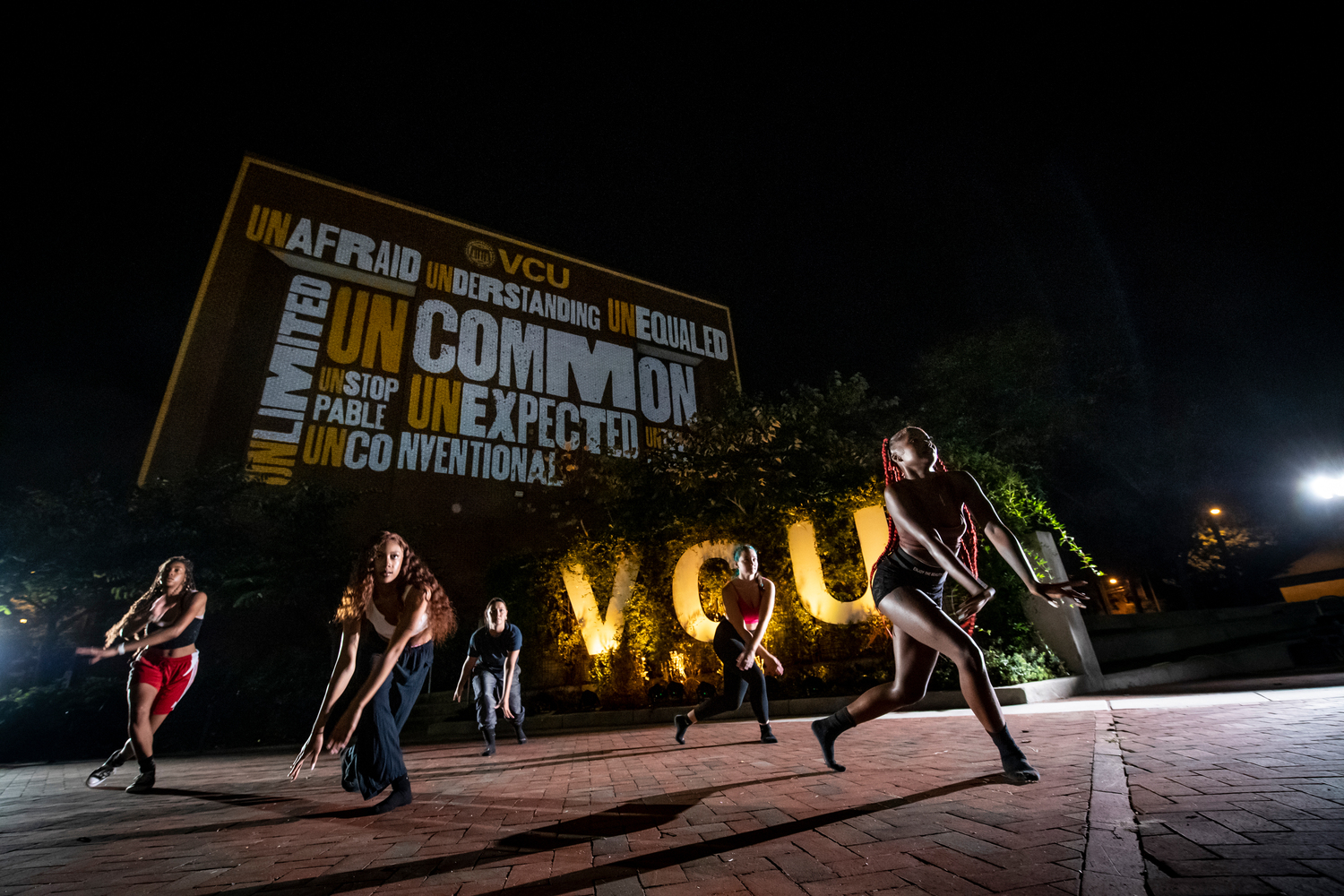
Ready to join a workforce UNLIKE any other?
Biosafety Specialist
- 45001915
- 907 Floyd Avenue, VCU Main Campus, Virginia, United States, 23284
- Environmental Safety and Risk Management
- Staff
- Occupational Health & Safety
Advertising Summary: VCU has an exciting opportunity for a Biosafety Specialist! This position plays a pivotal role in ensuring that the university maintains compliance with federal and state requirements that apply to research involving biohazardous agents, rDNA, and hazardous chemicals. The Biosafety Specialist conducts laboratory biosafety oversight by inspecting facilities, reviewing research protocols, training personnel, supporting institutional safety programs and committees, and collaborating with researchers to ensure regulatory compliance and a strong safety culture.
Unit: Occupational Health & Safety
Department: Occupational Health & Safety
Duties & Responsibilities:
Occupational Health & Safety (OHS) partners with the VCU community to promote and facilitate a positive, campus-wide attitude of safety excellence and environmental stewardship to protect university assets and reduce risks.
The primary mission of Occupational Health & Safety and Environmental Health & Safety is to advance and support a safe and healthy environment at VCU and VCU Health. This work is accomplished through surveys, consultation, teaching, advising, auditing and environmental monitoring. As the University liaison for safety and compliance we work with outside agencies and organizations to address all applicable standards.
The Biosafety Specialist plays a pivotal role in ensuring that the university maintains compliance with federal and state requirements that apply to research involving biohazardous agents, rDNA, and hazardous chemicals. Duties of the Biosafety Specialist role include but are not limited to:
-
Conducts comprehensive inspections of university laboratory facilities on an annual basis, and reviews new research protocols in order to identify potential compliance and safety issues and to provide recommendations for correction;
-
Interface heavily with principal investigators, laboratory staff, and animal husbandry workers.
-
Provides training through direct interaction during facility inspections and through platform and virtual instructional courses which is a key element in ensuring that university staff and students are adequately versed in the fundamentals of laboratory biosafety.
-
Provides support to other OHS programs including (but not limited to) respirator training/ fit-testing, hazardous waste management, laboratory closeout procedures, and response to incidents involving biological, rDNA, and/or hazardous chemical agents.
-
Serves as a member and/or OHS representative on multiple safety oriented committees and subcommittees including: Institutional Animal Care Committee (IACUC), Institutional Biosafety Committee (IBC), and plays a vital role in strategic committee initiatives.
-
Reviews institutional protocols for new research involving biohazardous agents, rDNA, and animal studies involving chemical and/or biological hazards.
-
Ensures that documentation of all specific regulatory pre-approval (NIH,CDC,DoD, et.al) is included within the proposal package.
-
Conducts Material Transfer Agreement (MTA) reviews in collaboration with the Office of Research (OVPRI) to ensure that hazardous materials are registered accordingly to ensure regulatory compliance and safe work environment.
-
Serves as instructor for biosafety training courses.
-
Maintain accurate records, inspection reports, and training data using shared drives, spreadsheets, and the EHS-OHS management system (e.g., SciShield).
-
Responds to incidents involving chemical and biohazardous agents.
-
Promote a positive safety culture by learning about VCU’s research programs and using a risk-based approach to safety evaluations.
-
Other duties as assigned.
Qualifications:
Minimum Qualifications
-
Bachelor’s degree from an accredited college or university with major course work in physical or biological sciences or equivalent experience.
-
Basic understanding or ability to learn governmental licensing and credentialing agencies requirements applicable to research involving biohazardous agents.
-
Considerable knowledge and experience using up-to-date software programs, and possession of technical writing skills required for producing inspection reports and other documents.
-
Experience with laboratory procedures and health and safety concerns involving potentially biohazardous agents.
-
Ability to provide on-call coverage during off hours/weekends/holidays as designated.
-
Demonstrated ability to work in and foster an environment of respect, professionalism and civility with a population of faculty, staff, and students from all backgrounds and experiences, or a commitment to do so as a staff member at VCU.
-
Demonstrate ability to communicate effectively, both orally and in writing.
-
Demonstrate excellent customer service skills.
-
Proficient skills in MS Office and Google Suite.
-
Possess a valid Driver’s License.
Preferred Qualifications
-
3-5 years related work experience
-
Registered Biological Safety Professional (ABSA) Certification
-
Certification in 40 hour HAZWOPER course
Salary Range: $55,000 - $68,000
Benefits: All full-time university staff are eligible for VCU’s robust benefits package that includes comprehensive health benefits, paid annual and holiday leave, generous tuition benefits, retirement planning and savings options, tax-deferred annuity and cash match programs, employee discounts, well-being resources, abundant opportunities for career development and advancement, and more.
FLSA Exemption Status: Exempt
Hours per Week: 40
Restricted Position: No
ORP Eligible: No
Flexible Work Arrangement: Fully Onsite
University Job Title: 16211N - Specialist ES 1
Contact Information:
Contact Name: Bryce Fountain
Contact Email: fountainb@vcu.edu
Recommended for you
Groundskeeper - Monroe Park Campus
VCU Main Campus VCU Main CampusHuman Resources Generalist
VCU Main Campus VCU Main CampusCostume Shop Coordinator
VCU Main Campus VCU Main CampusEEO
Virginia Commonwealth University is an equal opportunity employer.
VCU Notice of Nondiscrimination
Know Your Rights: Workplace Discrimination is Illegal
VCU's Pay Transparency Nondiscrimination Provision
Annual security and fire safety report
Virginia Commonwealth University (VCU) is committed to assisting all members of the community in providing for their own safety and security. As required by federal law (The Jeanne Clery Disclosure of Campus Security Policy and Campus Crime Statistics Act, 20 U.S.C.1092(f), known as the “Clery Act”), the university publishes an Annual Security and Fire Safety Report, which contains information regarding campus security, crime reporting policies, personal safety and crime prevention, and fire and crime statistics for our various campus locations. To request a paper copy of the current report, please contact the VCU Police Department by calling (804) 828-3851 or in person at 224 E. Broad St., Richmond, Virginia 23219.
E-verify Notice: After accepting employment, new hires are required to complete an I-9 form and present documentation of their identity and eligibility to work in the United States. Effective June 1, 2011, agencies in the Commonwealth of Virginia's Executive Branch will use the E-Verify system to confirm identity and work authorization.
If you have questions or need accommodations during the application and interview process, please contact VCU Human Resources at (804) 828-0177 (Voice), (800) 828-1120 (TDD) or askhr@vcu.edu. The HR Welcome Center on the corner of Belvidere Street and W. Franklin Street is open Monday through Friday 8:30 a.m. to 4:30 p.m.