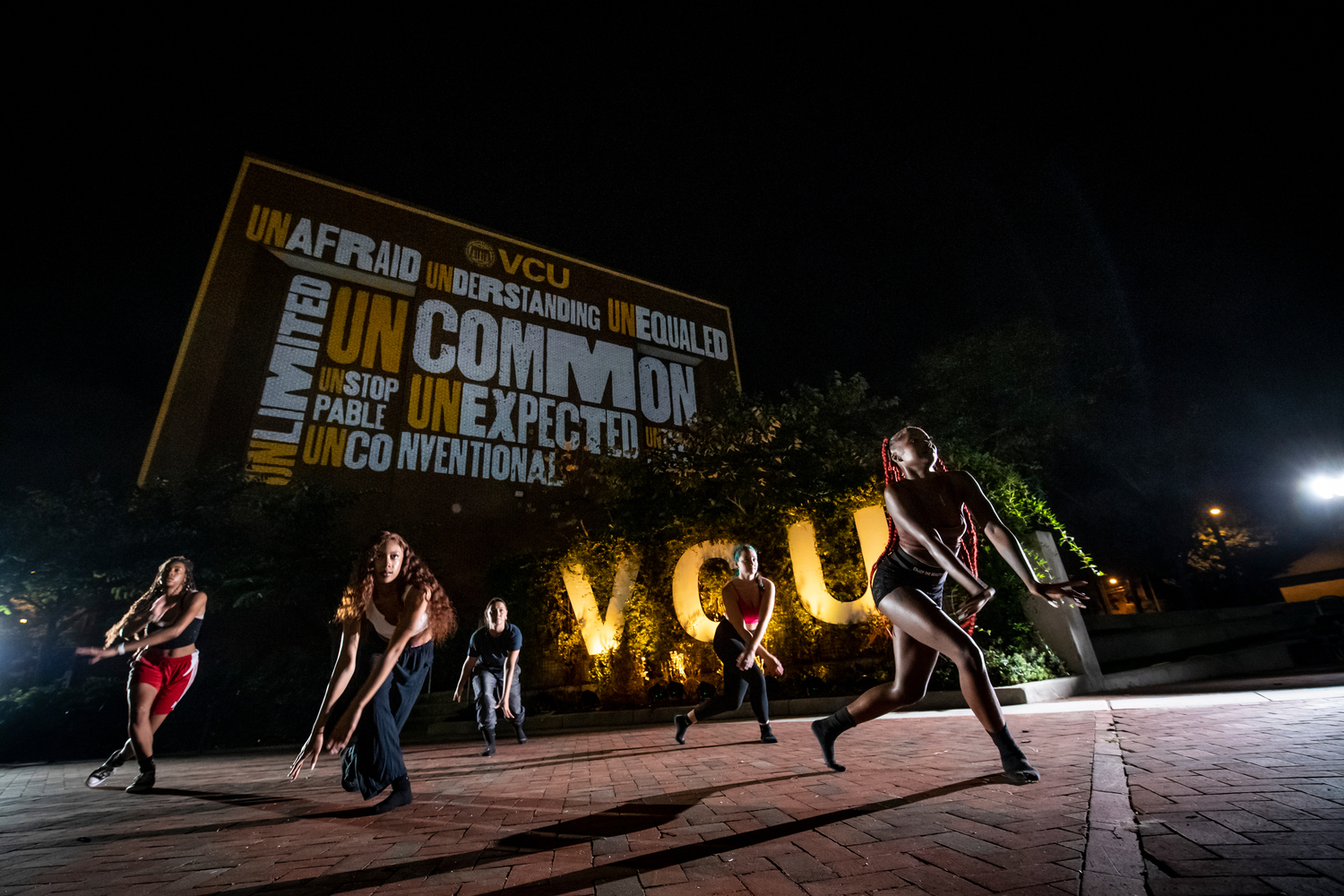
Ready to join a workforce UNLIKE any other?
Adjunct Instructor Media Production (Rolling Pool)
- 45002717
- 907 Floyd Avenue, VCU Main Campus, Virginia, United States, 23284
- Academic and Faculty Affairs
- Adjunct
- College of Humanit and Sciences MBU
Unit: College of Humanities and Sciences
Department: Richard T. Robertson School of Communication
Duties and Responsibilities:
The Robertson School of Communication at Virginia Commonwealth University (VCU) seeks experienced and dynamic adjunct instructors to teach hands-on courses to undergraduate students in its Media Production sequence. We are looking for professionals who bring industry insight, production experience, and a commitment to preparing students for media-related careers in a rapidly evolving landscape. This pool will be utilized on an as-needed basis. Only those selected for an interview will be contacted.
The responsibilities of this position include:
• Teaching undergraduate media production courses, incorporating industry-standard practices, equipment, and workflows.
• Providing instruction in production techniques, including camera operation, lighting, composition, and audiovisual storytelling.
• Teaching post-production skills, including video editing, media organization, workflow management, and finishing techniques using industry-standard software.
• Providing instruction in sound recording, microphone selection and placement, audio editing, sound design, mixing, and the integration of sound with visual media.
• Developing course materials, assignments, demonstrations, and assessments that support course learning outcomes and student skill development.
• Providing constructive feedback and mentorship to students as they develop their technical proficiency, creative judgment, and professional production practices.
• Maintaining familiarity with current production technologies, software, and evolving industry practices.
• Supporting a collaborative learning environment that emphasizes creative problem-solving, technical competence, and professional standards.
Minimum Qualifications:
• Master’s degree in media production, film and video production, communication, digital media, or a closely related field.
• Minimum 3 years demonstrated professional or equivalent applied experience in media production, post-production, and sound.
• Proficiency with industry-standard video editing and post-production software, such as Adobe Premiere Pro, Adobe Audition, and Adobe After Effects.
• Practical knowledge of production equipment, including cameras, lighting systems, microphones, audio recorders, and related production technologies.
• Ability to teach technical concepts and workflows clearly and effectively to undergraduate students with varying levels of experience.
• Strong organizational, communication, and collaboration skills.
• Demonstrated experience to work in and foster an environment of respect, professionalism and civility with a population of faculty, staff and students from various backgrounds and experiences, or a commitment to do so.
Preferred Qualifications:
• College-level teaching, training, or mentoring experience.
• Experience supervising student productions or guiding projects from pre-production through post-production.
• Knowledge of sound design, audio mixing, color correction, motion graphics, and contemporary digital production workflows.
• Experience producing a range of audiovisual content, such as short films, documentaries, promotional videos, interviews, or studio productions.
• A professional portfolio or body of work demonstrating production expertise.
Salary Range: $1,487 per credit hour
FLSA Exemption Status: Exempt
Application Process: Applicants should submit a current résumé or curriculum vitae, a cover letter describing relevant production experience and teaching qualifications, and a portfolio or reel demonstrating expertise in media production, post-production, and sound.
Rank: Instructor
Contact Information:
Contact Name: Pamela Williams
Contact Email: ptwilliams2@vcu.edu
Recommended for you
H - Sr Lab/Research Technician
VCU Main Campus VCU Main CampusFinancial Manager - Lifelong Learning Institute (Chesterfield, VA)
MCV Main Campus MCV Main CampusOphthalmologist: Glaucoma Fellow | Ophthalmology | SOM | M89834
MCV Main Campus MCV Main CampusEEO
Virginia Commonwealth University is an equal opportunity employer.
VCU Notice of Nondiscrimination
Know Your Rights: Workplace Discrimination is Illegal
VCU's Pay Transparency Nondiscrimination Provision
Annual security and fire safety report
Virginia Commonwealth University (VCU) is committed to assisting all members of the community in providing for their own safety and security. As required by federal law (The Jeanne Clery Disclosure of Campus Security Policy and Campus Crime Statistics Act, 20 U.S.C.1092(f), known as the “Clery Act”), the university publishes an Annual Security and Fire Safety Report, which contains information regarding campus security, crime reporting policies, personal safety and crime prevention, and fire and crime statistics for our various campus locations. To request a paper copy of the current report, please contact the VCU Police Department by calling (804) 828-3851 or in person at 224 E. Broad St., Richmond, Virginia 23219.
E-verify Notice: After accepting employment, new hires are required to complete an I-9 form and present documentation of their identity and eligibility to work in the United States. Effective June 1, 2011, agencies in the Commonwealth of Virginia's Executive Branch will use the E-Verify system to confirm identity and work authorization.
If you have questions or need accommodations during the application and interview process, please contact VCU Human Resources at (804) 828-0177 (Voice), (800) 828-1120 (TDD) or askhr@vcu.edu. The HR Welcome Center on the corner of Belvidere Street and W. Franklin Street is open Monday through Friday 8:30 a.m. to 4:30 p.m.