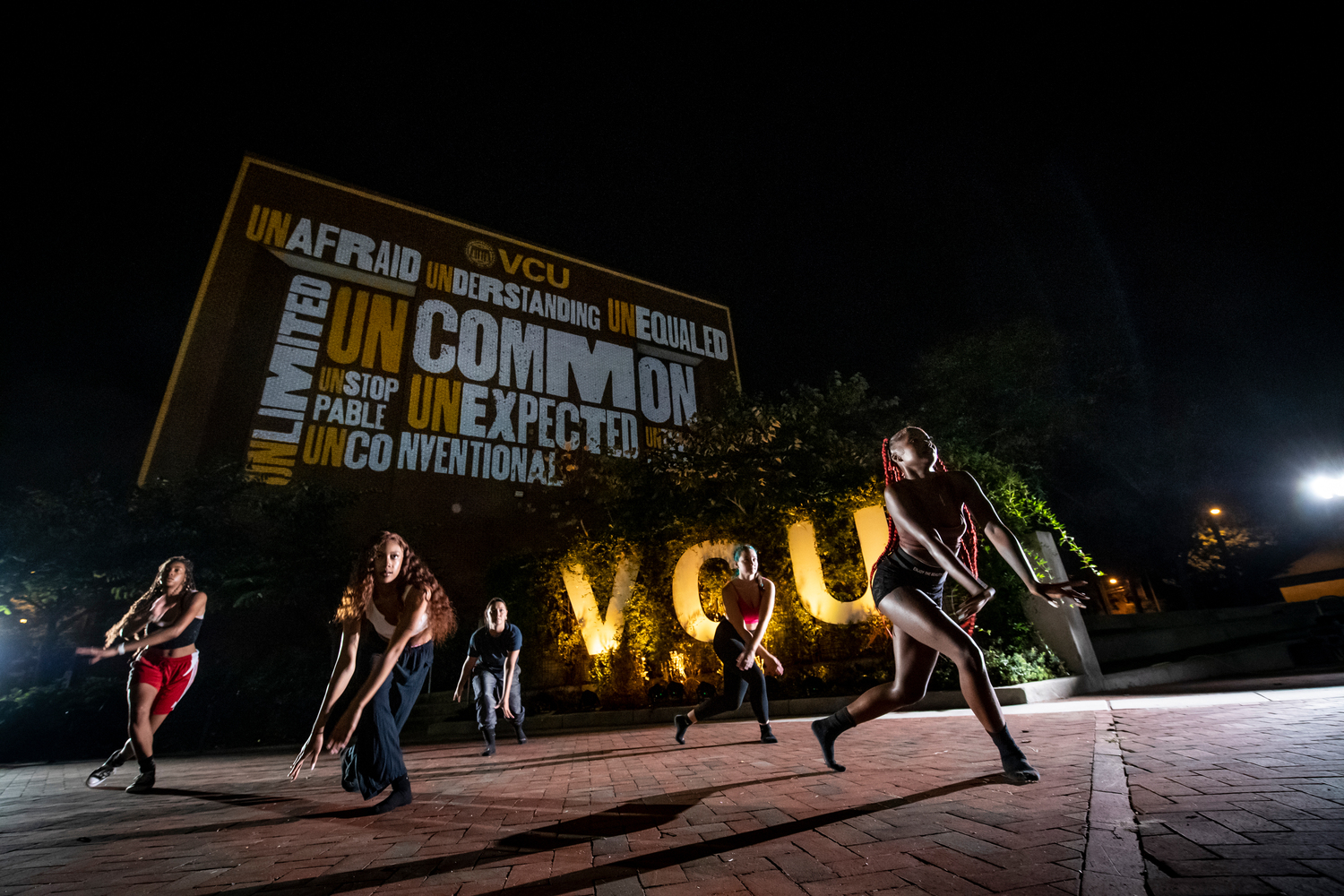
Ready to join a workforce UNLIKE any other?
Adjunct Instructor, Criminal Justice Program (CRJS)
- 45000824
- 907 Floyd Avenue, VCU Main Campus, Virginia, United States, 23284
- Faculty
- Adjunct
- L D Wilder Sch of Govt & Pub Affrs
Unit: L. Douglas Wilder School of Government and Public Affairs
Department: Criminal Justice Program
The Criminal Justice Program in the L. Douglas Wilder School of Government and Public Affairs at Virginia Commonwealth University is recruiting applicants for teaching adjunct positions. The pool will be accessed as openings arise and the Program will contact persons in the pool whose credentials match our teaching needs.
Duties:
Teaching courses as needed.
Ability to successfully teach both in-person and online.
Must grade all assignments and exams in a timely manner.
Respond to student inquiries within 24 hours.
Submit finals according to school policy.
Minimum Qualifications:
Must have a bachelor's degree in Criminal Justice or related field.
Demonstrated ability to work in and foster an environment of respect, professionalism and civility with a population of faculty, staff, and students from all backgrounds and experiences, or a commitment to do so as a faculty member at VCU.
Preferred Qualifications:
Masters in Criminal Justice or related fields.
Salary Range: $1,487 per credit ($4,461 for a 3-credit course).
Rank: Instructor
Tenure: Ineligible
FLSA Exemption Status: Exempt
Application Instructions:
All applications should include a cover letter, and detailed resume or curriculum vitae, with the names and contact information of three professional references.
Contact Name: Nancy Morris, CRJS Program Chair
Contact Email: nmorris@vcu.edu
As a preeminent national, urban, public research university and academic health center, Virginia Commonwealth University is committed to an environment where all can thrive in their pursuit of excellence. Virginia Commonwealth University is an equal opportunity employer.
Recommended for you
Assistant Director for Health Promotion
VCU Main Campus VCU Main CampusHourly Library Specialist
MCV Main Campus. VCU Main Campus MCV Main Campus. VCU Main CampusVNPC Public Health Data Research Analyst, SOM/Pediatrics
MCV Main Campus MCV Main CampusEEO
Virginia Commonwealth University is an equal opportunity employer.
VCU Notice of Nondiscrimination
Know Your Rights: Workplace Discrimination is Illegal
VCU's Pay Transparency Nondiscrimination Provision
Annual security and fire safety report
Virginia Commonwealth University (VCU) is committed to assisting all members of the community in providing for their own safety and security. As required by federal law (The Jeanne Clery Disclosure of Campus Security Policy and Campus Crime Statistics Act, 20 U.S.C.1092(f), known as the “Clery Act”), the university publishes an Annual Security and Fire Safety Report, which contains information regarding campus security, crime reporting policies, personal safety and crime prevention, and fire and crime statistics for our various campus locations. To request a paper copy of the current report, please contact the VCU Police Department by calling (804) 828-3851 or in person at 224 E. Broad St., Richmond, Virginia 23219.
E-verify Notice: After accepting employment, new hires are required to complete an I-9 form and present documentation of their identity and eligibility to work in the United States. Effective June 1, 2011, agencies in the Commonwealth of Virginia's Executive Branch will use the E-Verify system to confirm identity and work authorization.
If you have questions or need accommodations during the application and interview process, please contact VCU Human Resources at (804) 828-0177 (Voice), (800) 828-1120 (TDD) or askhr@vcu.edu. The HR Welcome Center on the corner of Belvidere Street and W. Franklin Street is open Monday through Friday 8:30 a.m. to 4:30 p.m.